Selling a home in Kenwood is rarely about checking off a standard prep list. In a neighborhood known for historic homes, mature trees, and close ties to the Chain of Lakes, buyers are often responding to character as much as square footage. If you are preparing a Kenwood home for the market, the goal is not to make it feel generic or overly new. It is to present it with clarity, care, and design discipline. In this guide, you will learn how to prepare your home for a design-forward sale that respects its architecture and supports a stronger market debut. Let’s dive in.
Why Kenwood prep is different
Kenwood is a distinct Minneapolis neighborhood bounded by Cedar Lake Parkway, Kenwood Parkway, West Lake of the Isles Parkway, and Kenilworth Place, according to the Kenwood neighborhood organization. Its identity is shaped by historic homes, green space, and a stewardship-minded setting.
The neighborhood history adds important context for sellers. Kenwood has about 540 residential structures, with most single-family homes dating from the late 1800s and early 1900s, and the area is known for architecture that includes Victorian, Tudor, Queen Anne, Regency, and Prairie School styles, as noted on the Kenwood history page.
That matters when you sell. In a setting like this, buyers are often evaluating proportion, materials, craftsmanship, and how well a home fits its surroundings. A design-forward sale in Kenwood means making those strengths easier to see.
Focus on preservation first
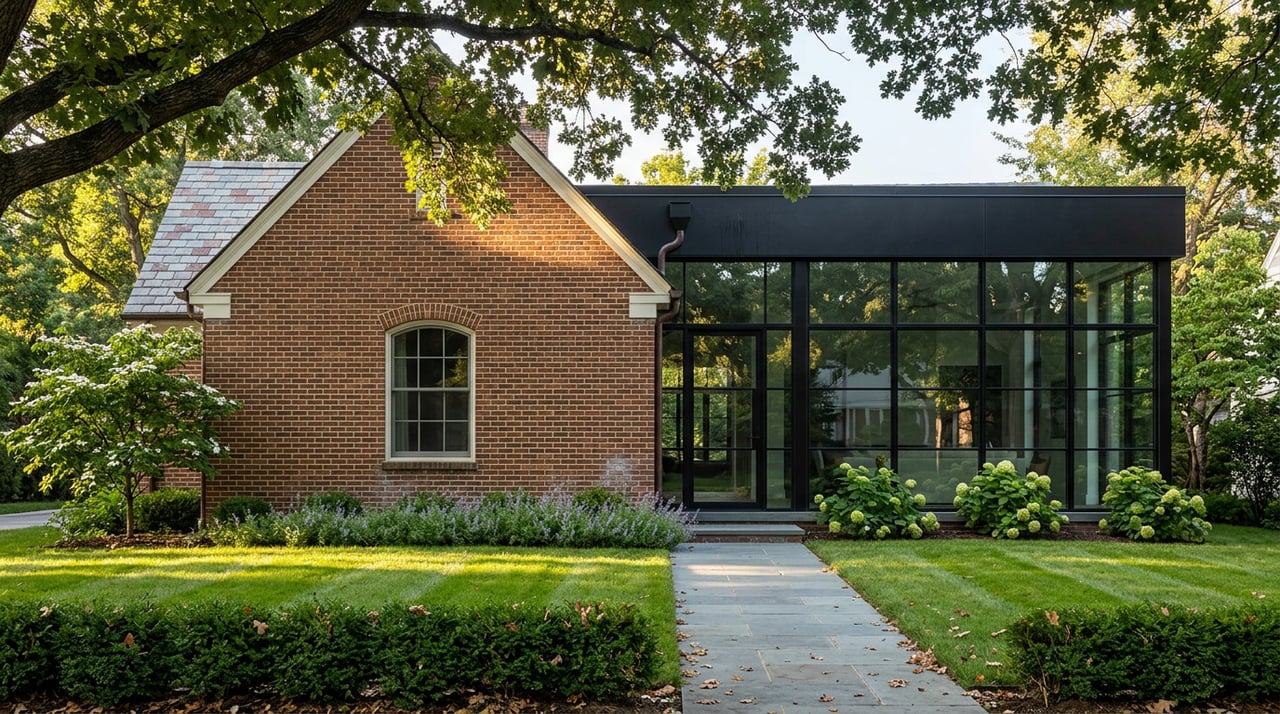
If your home has original details, they should usually lead the presentation. Windows, masonry, trim, built-ins, staircases, and rooflines often help define the home’s character, and they deserve visual priority.
Instead of over-modernizing, focus on curated restoration. The strongest preparation choices usually preserve the home’s defining lines and materials while addressing visible wear that distracts from the architecture.
This approach fits the neighborhood’s broader story. Kenwood’s architectural significance is reinforced by local landmarks and historic examples, including the Franklin House and the Kenwood Water Tower referenced in neighborhood history, which help illustrate why architectural storytelling resonates here.
Fix what distracts from character
Design-forward does not mean leaving flaws in place. It means being selective about what you improve so buyers can focus on the home itself instead of deferred maintenance.
Before listing, it often makes sense to address visible issues that interrupt the experience of the space. Think inconsistent finishes, chipped paint, worn hardware, damaged trim, tired lighting, or exterior elements that make the home feel less cared for than it is.
In Kenwood, presentation carries extra weight. The Minneapolis Area Realtors 2024 annual housing report shows a Kenwood median sales price of $1,195,000, with 24 closed sales, 101 cumulative days on market, and 96.2% of original price received. The same report shows Minneapolis overall at a $329,702 median price and 53 days on market, which underscores that Kenwood sits in a more presentation-sensitive segment of the market. You can review that in the 2024 annual housing report.
Stage with restraint and purpose
In a historic or architecturally distinctive home, less is often more. The objective is not to fill every room. It is to create clean sightlines, calm visual rhythm, and enough warmth for buyers to imagine living there.
A selective staging plan is supported by national data. In the National Association of Realtors 2025 Profile of Home Staging, 83% of buyers’ agents said staging made it easier for buyers to visualize a home as their future home.
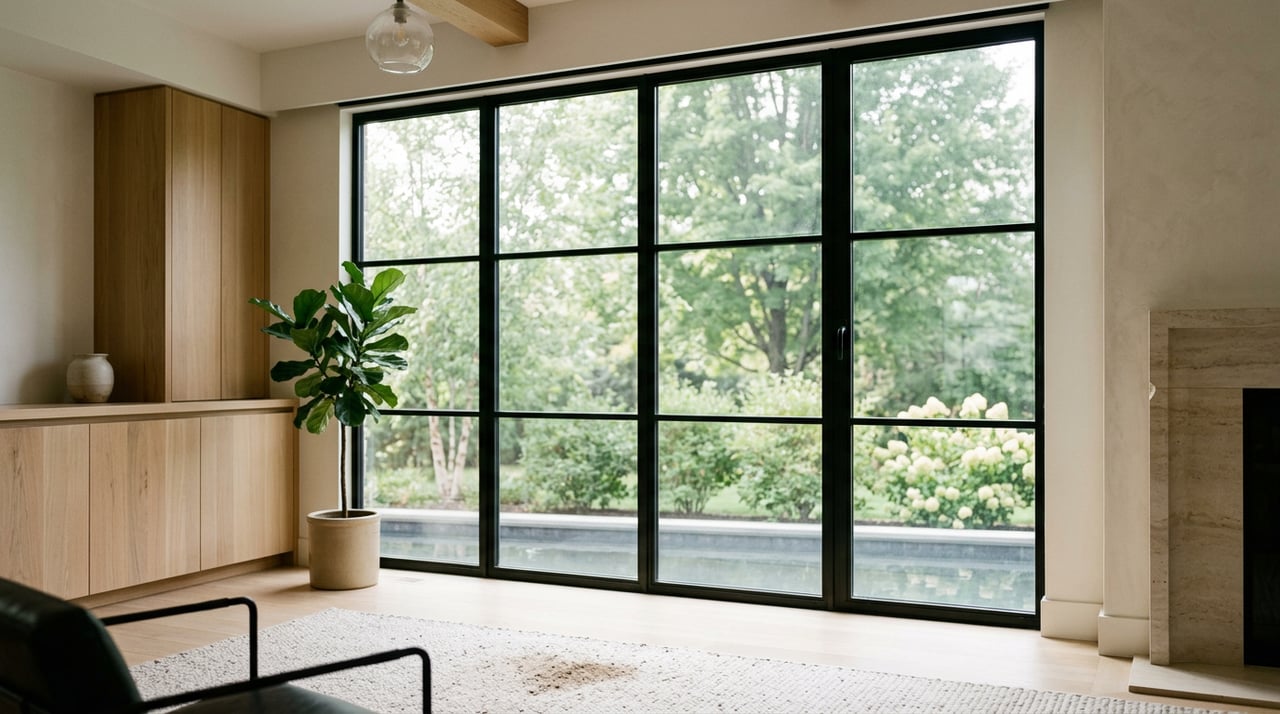
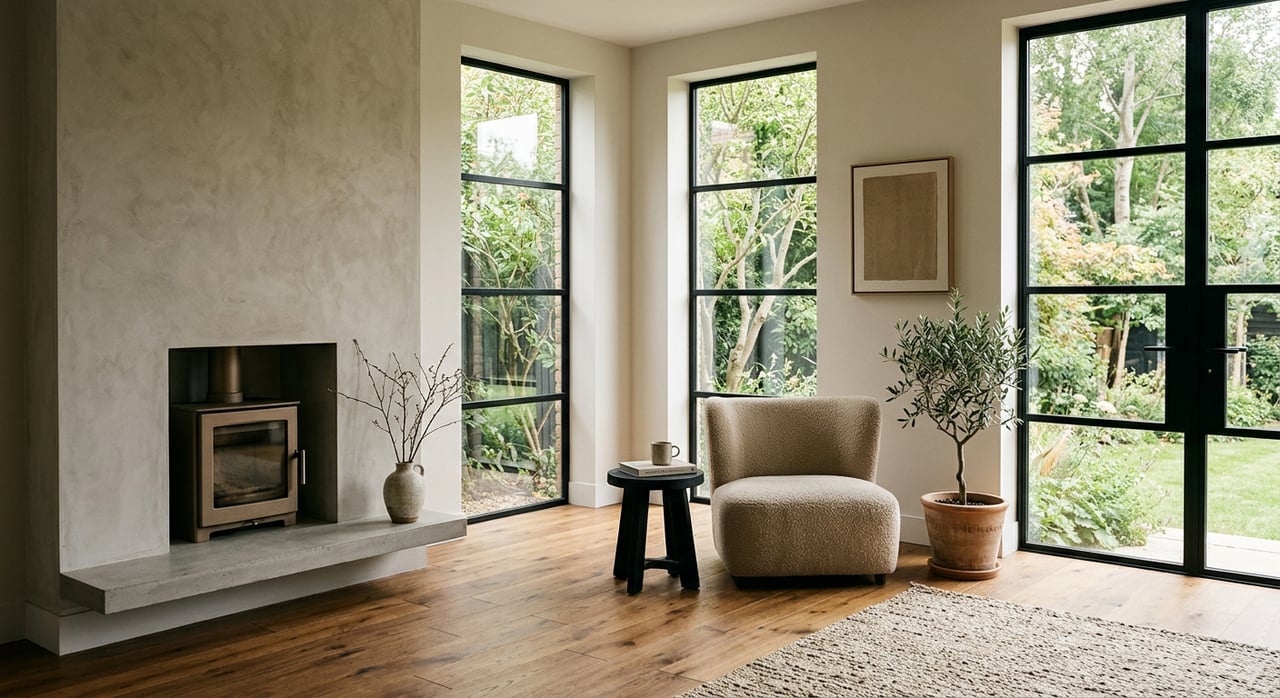
For Kenwood sellers, that suggests a curated approach with fewer but better pieces. A restrained furniture plan, a quieter palette, and thoughtful styling can help original millwork, fireplaces, windows, and built-ins remain the focal point.
Prioritize the rooms buyers notice most
Not every room needs the same level of effort. If you are deciding where to invest time and budget, start with the spaces buyers tend to notice first.
According to the same NAR staging report, buyers’ agents ranked the living room as the most important room to stage, followed by the primary bedroom and the kitchen. Those rooms often carry the emotional and functional story of the home.
For a Kenwood property, the living room may showcase original windows, built-ins, or masonry. The primary bedroom should feel calm and proportionate. The kitchen should read as cohesive and well-resolved, especially if it has been updated over time.
Keep your budget targeted
A design-forward sale does not always require a massive pre-listing budget. It requires clarity on what actually changes the buyer experience.
The NAR report found that among sellers’ agents using staging services, the median spend was $1,500. That number is useful because it shows staging can be strategic rather than excessive, especially when paired with smart editing, light repairs, and professional visuals.
In Kenwood, the best return often comes from targeted presentation choices rather than broad renovation. If an update erases original character or introduces a style mismatch, it can work against the home instead of for it.
Treat outdoor space as part of the sale
In Kenwood, the setting is part of the product. The neighborhood’s appeal is closely tied to lakes, parkways, mature landscaping, and the relationship between architecture and nature.
That is especially relevant near Kenwood Park, which the Minneapolis Park and Recreation Board describes as a 32.94-acre park with preserved natural character, paved walking trails, and views toward Lake of the Isles. Buyers are not just evaluating the house. They are also responding to its outdoor experience and surrounding context.
That means exterior prep matters. Landscaping, garden beds, entry sequence, pathways, porches, and views from inside the home should all be considered part of the staging strategy.
Invest in professional visuals
When your home enters the market, most buyers will meet it through images first. In a neighborhood like Kenwood, where architecture and setting are central to value, that first impression needs to be carefully produced.
The NAR 2025 staging report found that buyers’ agents viewed photos as the most important marketing element among photos, physical staging, videos, and virtual tours. Sellers’ agents also ranked photos highest, followed by videos and physical staging.
For your sale, that supports a professional marketing package rather than a DIY approach. Wide, well-lit photography can capture room flow, natural light, and architectural detail, while video and virtual tours help communicate movement, setting, and scale.
Use listing copy to tell the right story
A Kenwood listing should do more than describe finishes and room counts. It should explain what is special, what has been preserved, and what has been updated with intention.
That narrative matters in a neighborhood with a strong architectural identity. Local landmark references like the Franklin House reinforce the value of homes that contribute to Kenwood’s broader design story.
Strong listing copy can help buyers understand why original details matter, how the home lives today, and how it connects to the neighborhood’s historic and natural setting. In this market, buyers are often buying place, heritage, and presentation along with the property itself.
A practical prep checklist
If you want a simple way to organize your next steps, start here:
- Identify original architectural features worth highlighting
- Repair visible deferred maintenance
- Edit furnishings to improve sightlines and scale
- Stage the living room, primary bedroom, and kitchen first
- Refresh exterior landscaping and entry areas
- Plan photography around natural light and key views
- Use listing copy that explains preservation and thoughtful updates
This kind of preparation supports a cleaner, more confident launch. It also helps your home feel aligned with what buyers expect in a premium Kenwood sale.
Preparing a Kenwood home for the market is ultimately an exercise in restraint, clarity, and respect for what makes the property distinct. The best results often come from preserving character, correcting distractions, and presenting the home with intentional styling and strong storytelling. If you are considering a sale and want a tailored, design-led strategy for your home, Juan Rivera can help you plan the right next steps with care and discretion.
FAQs
What updates matter most when selling a Kenwood home?
- The most important updates are usually presentation improvements, visible repairs, and finish consistency that support the home’s character rather than erase it.
Which rooms should I stage first in a Kenwood home sale?
- Based on NAR data, you should prioritize the living room, primary bedroom, and kitchen.
Why do professional photos matter for a Kenwood listing?
- Professional photos matter because buyers and agents place the highest value on photos, and strong images help showcase both the architecture and the surrounding setting.
Should I renovate before listing a historic Kenwood home?
- In many cases, a selective approach works better than a broad renovation, especially if major changes would remove original details or disrupt the home’s architectural identity.
Why is storytelling important when marketing a home in Kenwood?
- Storytelling helps buyers understand the home’s architectural character, thoughtful updates, and connection to Kenwood’s history, parks, and design appeal.