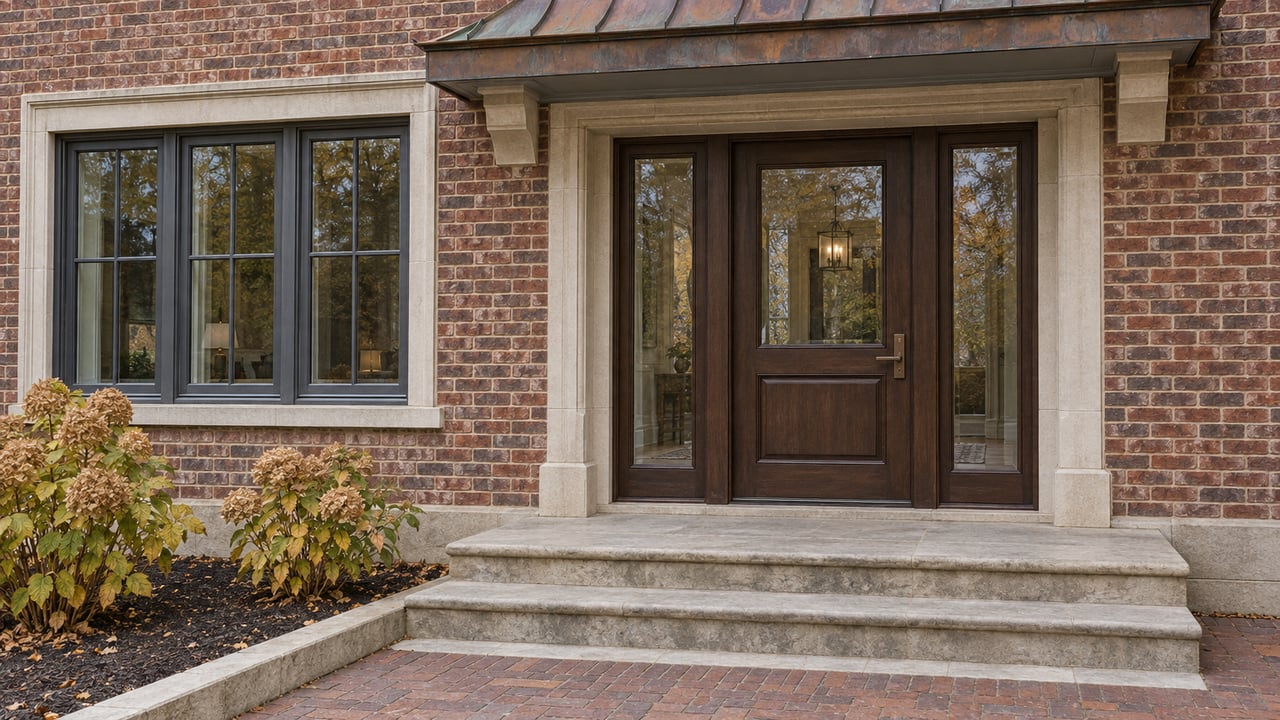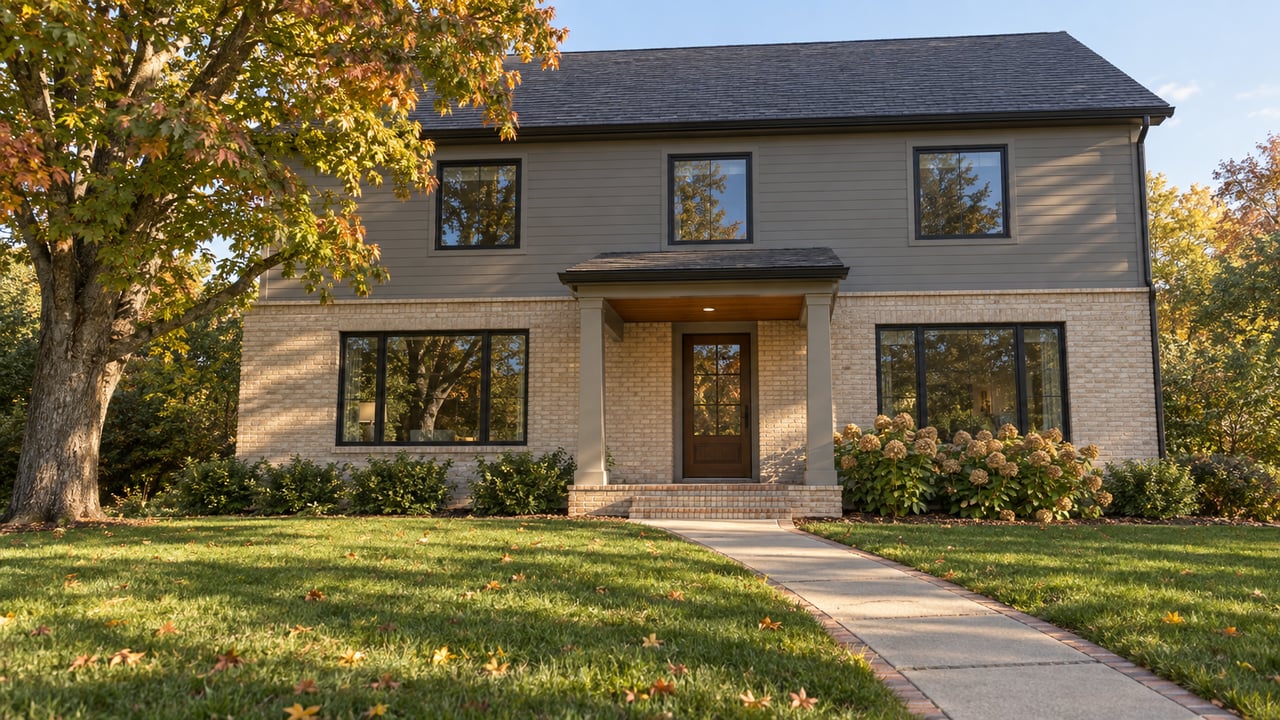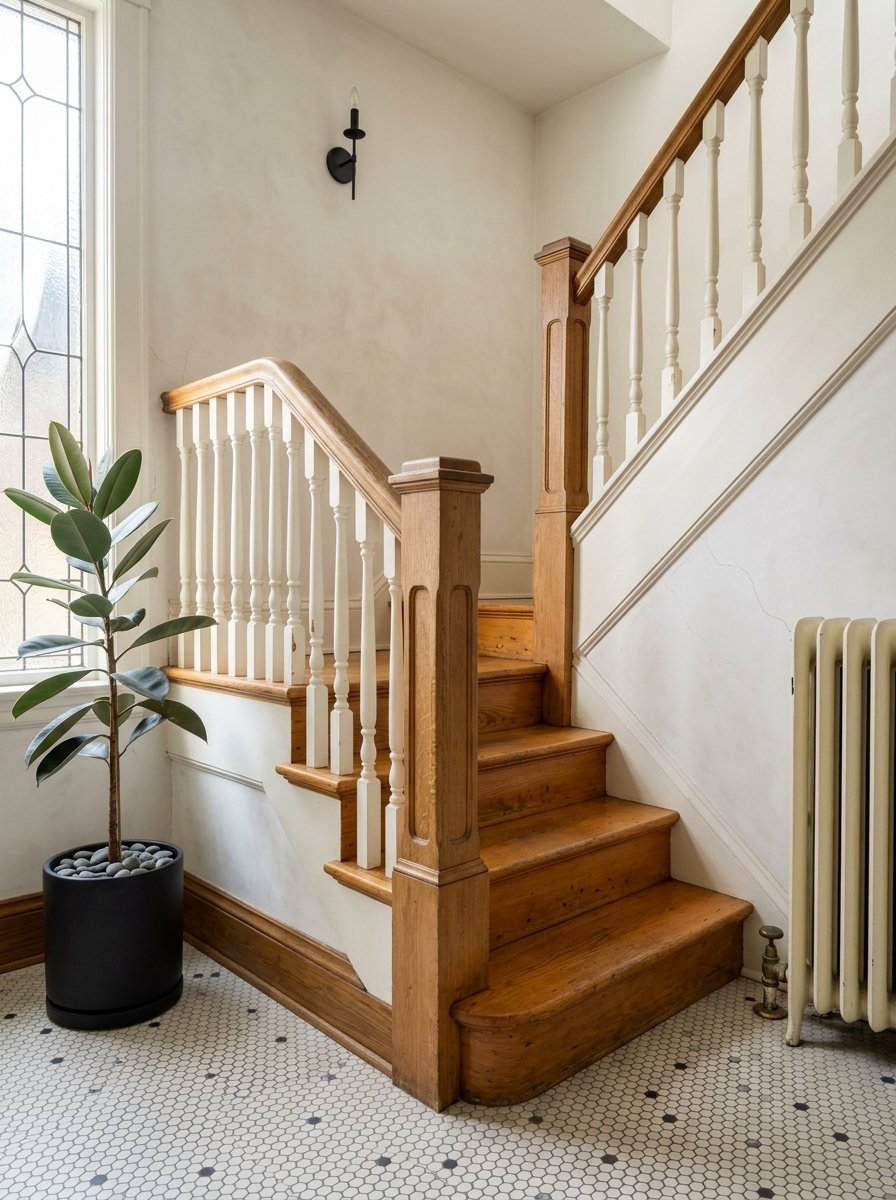
Wondering whether a historic home in Lowry Hill is a dream purchase or a future project list? In many cases, it is both. If you are drawn to original millwork, masonry, porches, and the character that newer homes rarely match, it helps to know what ownership really involves before you make an offer. This guide walks you through the key considerations, from preservation review to inspections and ongoing maintenance, so you can buy with clarity. Let’s dive in.
Why Lowry Hill Historic Homes Stand Out
Lowry Hill developed as a late-19th-century streetcar neighborhood, with early platting beginning in 1867 and major growth tied to streetcar expansion in the 1890s. By 1900, the area was known for broad lawns, boulevard trees, and large two-and-a-half-story houses. For today’s buyer, that history still shapes the neighborhood’s visual identity.
The neighborhood’s historic context study focuses on residential development from about 1874 to 1930. That means many homes you see in Lowry Hill come from an era of durable materials, distinctive craftsmanship, and architecture that was never meant to look interchangeable. Buying here is often less about finding a standard format and more about understanding the details of a specific home.
Lowry Hill also includes individually designated historic homes in a wide range of styles, including Queen Anne, Colonial Revival, Georgian Revival, Tudor Revival, Richardsonian Romanesque, Renaissance Revival, and Italian Renaissance Revival. In practical terms, one property may have very different materials, maintenance needs, and restoration priorities than the one next door.
Confirm Historic Status Early
One of the first steps in buying a historic home in Lowry Hill is confirming whether the property is a landmark, located in a historic district, or otherwise subject to preservation review. That status can affect what kinds of exterior changes are reviewed by the City of Minneapolis. It is much easier to understand those rules before you buy than after you begin planning updates.
According to the city’s preservation guidance, property owners must follow design guidelines when altering a historic building or district. The Heritage Preservation Commission reviews certificates of appropriateness, historic variances, demolition of historic resources, and landmark or district nominations. For buyers, that means exterior plans should never be based on assumptions alone.
The city also makes an important distinction between exterior and interior work. Exterior changes affecting a landmark or a property in a historic district are reviewed, while interior changes are generally reviewed only if the interior itself is designated. If you are buying for the architecture, this matters because the visible exterior elements often play a major role in the home’s protected character.
Minor Work vs. Major Changes
Not every project is treated the same way. The city identifies some work as minor, including general maintenance, in-kind replacement of a standard shingle roof, tuckpointing, and limited masonry or siding repair. These are still important to handle correctly, but they are different from larger changes.
Major alterations can include new construction, additions, large-scale rehabilitation, or materials that do not meet applicable design guidelines. If you are imagining new windows, porch reconstruction, siding replacement, or major roof changes, verify what is allowed before you move forward. This is especially important in a neighborhood where original details contribute so much to value and appearance.
Take Disclosures Seriously, But Still Inspect
Minnesota law requires sellers to provide a written disclosure of material facts that could adversely and significantly affect your use and enjoyment of the property. That is an important protection, but it is not a substitute for your own due diligence. A historic home can have known issues, unknown issues, or conditions that have changed since the seller last evaluated them.
Minnesota also requires radon disclosure in residential transfers. The Minnesota Department of Health says the seller must provide radon information and the publication Radon in Real Estate Transactions. Even so, you should still test during the inspection period, because disclosure does not give you a current radon reading.
Lead is another major consideration in older homes. For most homes built before 1978, sellers must disclose known lead-based paint hazards and provide the required lead-hazard information. The Minnesota Department of Health says about 75 percent of homes built before 1978 contain some lead-based paint, and homeowners should assume some lead is present until testing shows otherwise.
Why an Independent Inspection Matters
Even if a seller provides detailed disclosures, your independent inspection remains essential. The Minnesota Attorney General notes that if a house does not pass your independent inspection and your purchase agreement includes an inspection contingency, you may cancel the agreement. That gives you room to make a better-informed decision.
The Attorney General also points to common inspection-related defects such as plumbing issues, heating or cooling problems, dampness in the basement, and unstable foundations. In a historic home, these issues can be tied to age, deferred maintenance, or past repairs that were not completed with older materials in mind. The inspection period is where character meets reality.
Focus on the Systems That Protect the House
Historic homes often reward careful stewardship. That starts with the systems and materials that keep the structure stable and weather-tight. In Lowry Hill, some of the most important areas to review are the roof, moisture management, masonry, windows, and porches.
A beautiful facade can pull you in, but the condition behind it matters more. If these core elements are compromised, repairs can become more extensive and more expensive over time. Looking closely now can help you avoid surprises later.
Roof Condition Comes First
The National Park Service notes that a weather-tight roof is basic to preservation. When a roof fails, it can accelerate deterioration in masonry, wood, plaster, and paint. In other words, a roofing issue rarely stays isolated for long.
As you evaluate a property, look beyond age alone. Ask about active leaks, drainage patterns, flashing details, and whether repairs were done in a way that fits the home’s materials and historic character. A roof that appears serviceable from the street may still deserve a closer look during inspections.
Moisture Can Affect Everything
Uncontrolled moisture is one of the most common causes of deterioration in older and historic buildings. The recommended approach is to diagnose the source first, then improve drainage, runoff management, and ventilation. This is why moisture should be treated as a whole-house issue, not just a basement problem.
When you tour a home, pay attention to signs like staining, peeling paint, musty odors, or mortar deterioration near downspouts and foundation areas. Water often leaves clues. In a historic property, small moisture issues can gradually affect multiple building components if they go unresolved.
Masonry Needs the Right Repair Method
If the home has brick or stone elements, masonry condition deserves special attention. Repointing involves removing deteriorated mortar and replacing it with new mortar, but improper repointing can damage the masonry units themselves. That makes the choice of contractor and repair approach especially important.
Drainage problems can also contribute to mortar failure, including leaking downspouts. So if masonry work appears necessary, it makes sense to assess water management at the same time. The best maintenance plans usually address cause and effect together.
Original Windows Add Value
Original windows are often a defining part of a historic home’s character. The National Park Service recommends evaluating the significance of historic windows before treatment and repairing and retaining original materials and features wherever possible. When replacement is necessary, replacement in kind is the preferred approach.
For a design-minded buyer, this is worth remembering: original wood windows are not just an old-house expense. They are often part of what gives the home its proportions, texture, and authenticity. Their value is architectural as well as functional.
Porches Deserve Careful Review
Porches are central to the character of many historic homes, but they are also highly exposed to sun, snow, rain, foot traffic, moisture-related rot, and insect damage. That makes them both visually important and especially vulnerable over time. A porch can tell you a lot about how a home has been maintained.
Before assuming a porch needs full replacement, it is worth having it assessed carefully. Preservation guidance supports routine maintenance, thoughtful evaluation before replacement, and closely matching replacement details to historic components. In a neighborhood like Lowry Hill, those details matter.
Budget for Stewardship, Not Just Purchase Price
Buying a historic home in Lowry Hill is often as much about stewardship as it is about style. The ongoing costs may include routine maintenance, periodic restoration, and repairs that require older-material expertise rather than standard replacement work. A lower initial price does not always mean a lower total cost of ownership.
As you plan your budget, think in layers. There is the immediate inspection and repair phase, the first one to three years of catch-up work, and then the long-term care needed to protect original features. This kind of planning can help you enjoy the home without feeling constantly surprised by it.
A practical pre-offer checklist may include:
- Confirming the property’s historic designation or review status
- Reviewing seller disclosures carefully
- Testing for radon during the inspection period
- Understanding possible lead-based paint exposure in pre-1978 homes
- Ordering an independent inspection with attention to plumbing, HVAC, basement dampness, and foundation stability
- Assessing roof condition and drainage patterns
- Looking closely at masonry, windows, and porch condition
- Asking whether prior repairs were done in kind and with older materials in mind
Buy With the Right Advisory Mindset
A historic home purchase is rarely just about square footage or finishes. In Lowry Hill, it is often about buying a one-of-a-kind property with architectural value, preservation considerations, and a maintenance story that deserves close reading. The goal is not to be intimidated by that, but to be prepared for it.
When you approach the process with clear due diligence, realistic budgeting, and respect for original materials, you put yourself in a stronger position to make a smart decision. And if the right home is the right fit, you gain something hard to replicate: a residence with history, presence, and enduring design character.
If you are considering a historic or architecturally distinctive home in Lowry Hill, Juan Rivera offers a thoughtful, design-minded approach to help you evaluate the details that matter.
FAQs
What should you check before buying a historic home in Lowry Hill?
- You should confirm the property’s historic status, review disclosures, complete independent inspections, test for radon, and closely assess the roof, moisture issues, masonry, windows, and porch condition.
Do exterior changes to historic homes in Lowry Hill need city review?
- In Minneapolis, exterior changes affecting a landmark or a property in a historic district are reviewed under preservation guidelines, so you should verify a home’s designation status before planning changes.
Are interior renovations in Lowry Hill historic homes always reviewed?
- No. Minneapolis states that interior changes are generally reviewed only if the interior itself is designated.
Why is moisture such a big issue in older Lowry Hill homes?
- Uncontrolled moisture is a common cause of deterioration in older buildings and can affect masonry, wood, plaster, paint, and other materials if drainage, runoff, and ventilation are not managed well.
Should you replace original windows in a historic Lowry Hill home?
- Not automatically. Preservation guidance recommends evaluating historic windows first and repairing and retaining original materials wherever possible, with replacement in kind when needed.
What disclosures matter most when buying an older home in Minneapolis?
- Key disclosures include Minnesota’s required disclosure of material facts, radon disclosure in residential transfers, and lead-based paint disclosure requirements for most homes built before 1978.