What makes one Lowry Hill listing feel unforgettable while another fades into the scroll? In a neighborhood known for historic architecture, broad lawns, and strong exterior detail, design-focused buyers are rarely moved by generic marketing. If you are preparing to sell in Lowry Hill, the right strategy is to present your home as a piece of architecture, a lived environment, and a place within one of Minneapolis’s most distinctive neighborhoods. Let’s dive in.
Why design-first marketing matters in Lowry Hill
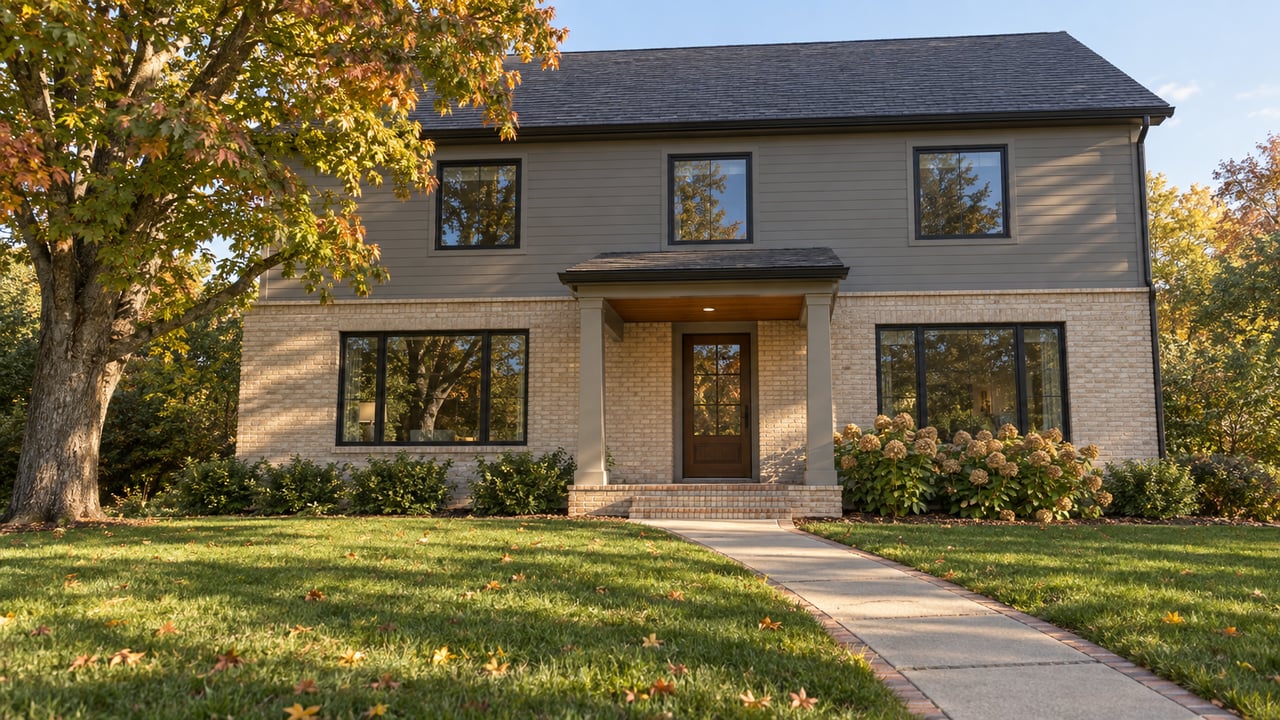
Lowry Hill offers a very specific kind of setting. The neighborhood sits just west of downtown Minneapolis and is defined by a historic streetscape of tree-lined boulevards, evenly spaced houses, substantial porches, and large 2.5-story homes with notable exterior detail.
That built environment shapes buyer expectations. In a neighborhood where preservation, improvement, and beautification are part of the local identity, buyers often notice craftsmanship, proportion, materials, and setting long before they compare bedroom counts.
The neighborhood’s 2024 census summary also points to an audience likely to engage with thoughtful presentation. Lowry Hill has a population of 4,140, with 73% of residents holding a bachelor’s degree or higher, 29% holding a graduate or professional degree, and 52% reporting incomes of $100,000 or more.
For sellers, that means your home should not be marketed like a commodity. It should be positioned with care, clarity, and a strong point of view.
Lead with the home’s architectural story
Lowry Hill’s residential history is tied to development from about 1874 to 1930, with major growth following electric streetcar expansion in the 1890s. By the early 1900s, some streets and lots in the neighborhood ranked among the most expensive in Minneapolis, which helps explain the concentration of substantial homes and estate-scale sites you still see today.
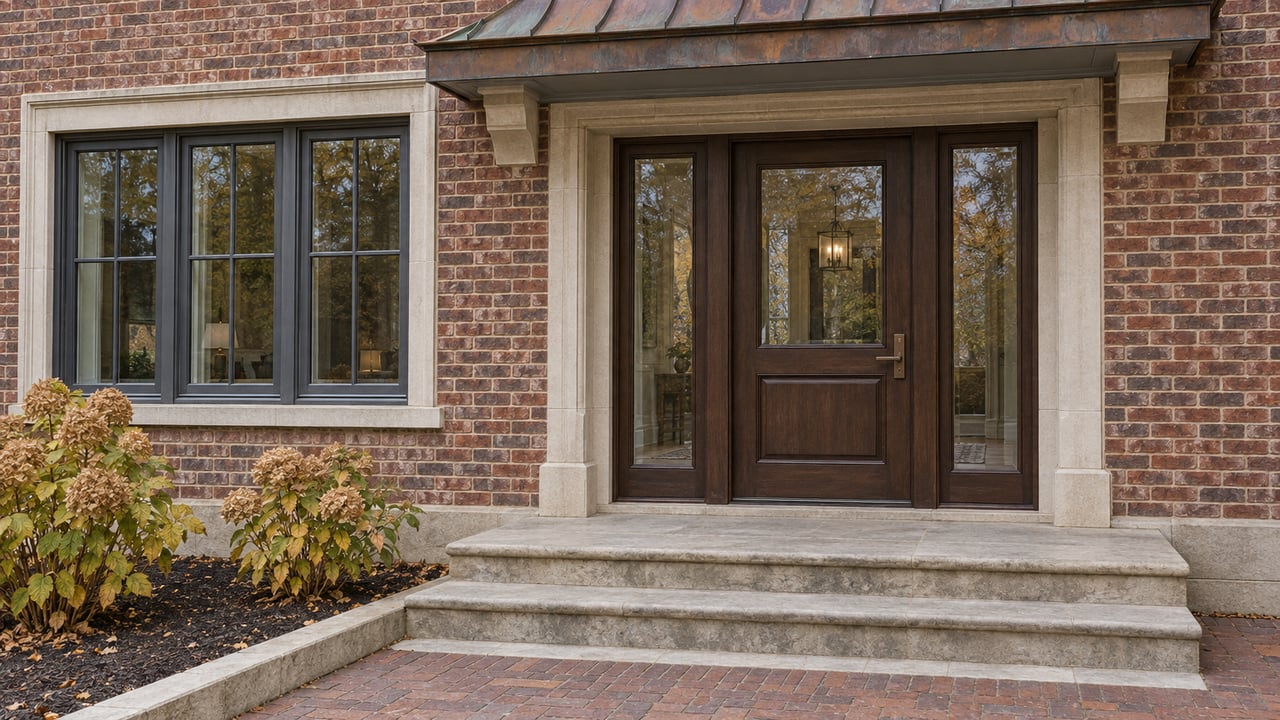
That history gives your listing a richer story to tell. Rather than relying on broad phrases like “charming” or “updated,” your marketing should explain what makes the home architecturally important or visually compelling.
Details buyers want to see named
If you know them, include specifics such as:
- Architectural style or period
- Original architect or builder
- Exterior materials
- Massing and roofline
- Window patterns
- Porch or terrace features
- Garage or carriage-house elements
- Interior millwork or original craftsmanship
- Notable renovations that respect the home’s character
City landmark examples in Lowry Hill show just how varied the neighborhood can be. Local landmarks include homes with Romanesque Revival, Classical Revival, Queen Anne, Georgian Revival, Renaissance Revival, and Colonial Revival influences.
That variety matters because it tells buyers this is not a one-note neighborhood. A strong listing should help them understand where your home fits within that layered architectural fabric.
Present the neighborhood as part of the design appeal
Design-focused buyers are rarely buying the house alone. They are also buying into the relationship between the home, the street, nearby parks, and the surrounding cultural landscape.
Lowry Hill’s identity is closely tied to the Walker Art Center and the Minneapolis Sculpture Garden. The Sculpture Garden spans 11 acres and includes more than 60 sculptures, while Thomas Lowry Park adds another design-rich civic space with a decorative fountain, pergola, brick walkway, and extensive landscape features in the Seven Pools area.
This gives sellers an advantage. Your marketing can frame the home within an arts-and-parks lifestyle that feels grounded, urban, and visually rich.
What neighborhood storytelling should include
A well-crafted Lowry Hill narrative should highlight:
- The home’s relationship to historic streets and preserved blocks
- Access to arts and cultural destinations in the area
- Nearby parks and landscaped public spaces
- The neighborhood’s layered mix of houses and apartments along key avenues
- A sense of place rooted in preservation and civic character
This kind of storytelling helps a buyer imagine daily life. It turns the listing from a set of features into a complete setting.
Use visuals that match buyer behavior
If your buyer is likely to start online, your listing package has to do more than document the property. It has to create interest, answer questions, and reward a closer look.
Among internet-using buyers, recent survey data found that photos were rated very useful by 66%, detailed property information by 65%, floor plans by 47%, virtual tours by 33%, and neighborhood information by 32%. That is a clear signal for how to market a distinctive home in Lowry Hill.
The core digital package
For a design-forward Lowry Hill listing, the essentials are:
- High-quality photography that captures light, scale, and texture
- Detailed floor plans that explain flow and proportion
- Video or virtual tour content that shows movement through the home
- Listing copy with real architectural substance
- Neighborhood context that explains why the setting matters
Design-minded buyers often respond to sequencing and mood. They want to understand how rooms connect, where light falls, how original details have been preserved, and how the house sits on the lot and on the block.
That is why polished photography alone is not enough. The full presentation should feel editorial, informative, and intentional.
Stage for clarity, not clutter
In a home with strong bones, staging should support the architecture rather than compete with it. The goal is to help buyers read the space quickly and appreciate its proportions, natural light, and craftsmanship.
Recent industry reporting found that 29% of agents said staging produced a 1% to 10% increase in offered value, while 49% said staging reduced time on market. The same reporting found that buyers cared most about the living room, primary bedroom, and kitchen.
That does not mean every Lowry Hill home needs dramatic styling. It means the presentation should be edited, calm, and aligned with the character of the house.
Smart staging priorities for Lowry Hill homes
Focus on these areas first:
- Living room: define conversation areas and highlight fireplace, windows, or millwork
- Kitchen: clear surfaces and let materials, cabinetry, and layout stand out
- Primary bedroom: create a restful, spacious feel with minimal visual noise
- Entry and stair hall: reinforce the first impression of scale and architectural detail
- Porch or terrace: show how exterior living connects to the home’s setting
When possible, reduce highly personal decor, excess furniture, and anything that distracts from the architecture. Buyers should remember the home’s lines, light, and materials, not the contents of the shelves.
Write listing copy like architectural journalism
Lowry Hill is one of the rare neighborhoods where listing language can do more than summarize. It can interpret. If your home has a known architect, a meaningful renovation, notable materials, or a strong relationship to its site, those details deserve to be written with precision.
Good copy should explain why the floor plan works, what craftsmanship survives, and how the home connects to the neighborhood’s history. It should sound measured and informed, not overhyped.
Replace generic phrases with specifics
Instead of writing:
- Charming home
- Beautiful details
- Prime location
- Spacious layout
Aim for language that identifies the value more clearly:
- Original millwork and proportioned formal rooms
- Deep front porch with strong architectural presence
- Renovated kitchen that respects period character
- Position within a historic streetscape near parks and cultural landmarks
The more specific the description, the more credible the presentation becomes. That credibility matters to buyers who are comparing design quality, not just specs.
Prepare early if preservation rules may apply
Before making pre-listing changes, it is important to understand whether your property has local historic designation. The City of Minneapolis states that if a property is locally designated, plans for alteration must be reviewed and approved by the City.
That can affect exterior work such as window changes, porch repair, and similar updates. If your home falls into that category, early planning can help you avoid delays and make sure any preparation aligns with local review requirements.
This is especially important in a neighborhood where preservation context is part of the value story. Thoughtful preparation supports both compliance and presentation.
Price within the market, position above the noise
Even exceptional homes still have to meet the market well. Minneapolis Area Realtors reported that new listings rose 4.6% in 2025 to a three-year high, while improving inventory and easing rates gave buyers more room to compare options.
In Lowry Hill, the 2024 median sale price was $598,500, down 3.2% from 2023 but up 28.7% from 2020. That picture suggests a market where distinct homes can still stand out, but only when pricing and presentation work together.
For sellers, the takeaway is simple. You cannot rely on neighborhood reputation alone. In a more selective environment, premium outcomes often come from selective positioning, strong visuals, accurate pricing, and a narrative that makes the home memorable.
What bespoke marketing should feel like
If you are selling an architecturally distinctive home in Lowry Hill, your marketing should feel as considered as the property itself. That means more than putting the home online and waiting for the right person to appear.
It means building a full story around design, place, and buyer psychology. It means understanding which features deserve emphasis, which rooms need editing, which visuals will do the heavy lifting, and how the neighborhood context strengthens the value proposition.
For the right buyer, a Lowry Hill home is not just a purchase. It is an expression of taste, setting, and daily experience. The marketing should reflect that from the first photo to the final showing.
If you are considering selling in Lowry Hill and want a more thoughtful, design-led approach, Juan Rivera offers bespoke guidance shaped by architecture, neighborhood context, and refined presentation.
FAQs
How should you market a historic home in Lowry Hill?
- Focus on the home’s architectural period, materials, craftsmanship, and relationship to the neighborhood rather than relying on generic listing language.
What do design-focused buyers in Lowry Hill care about most?
- They are often drawn to architecture, original detail, proportion, curated presentation, and the home’s connection to parks, culture, and preserved streetscapes.
What listing visuals matter most for a Lowry Hill home sale?
- High-quality photography, detailed property information, floor plans, virtual tour or video content, and neighborhood context are all useful tools for online buyers.
What rooms should you stage first in a Lowry Hill home?
- Prioritize the living room, kitchen, and primary bedroom, then support the entry, stair hall, porch, or terrace if those spaces add to the home’s architectural story.
What should you know before updating a locally designated Lowry Hill property?
- The City of Minneapolis requires review and approval for alterations to locally designated properties, so exterior changes and similar work should be planned carefully before listing.