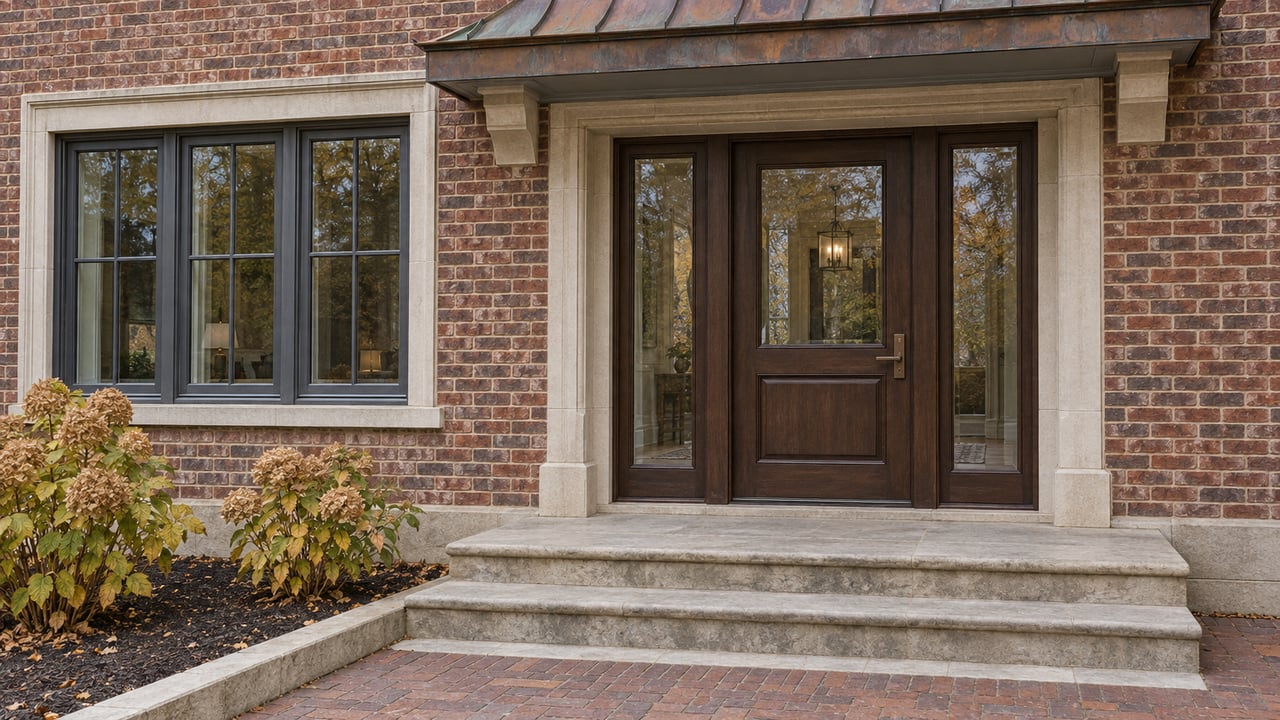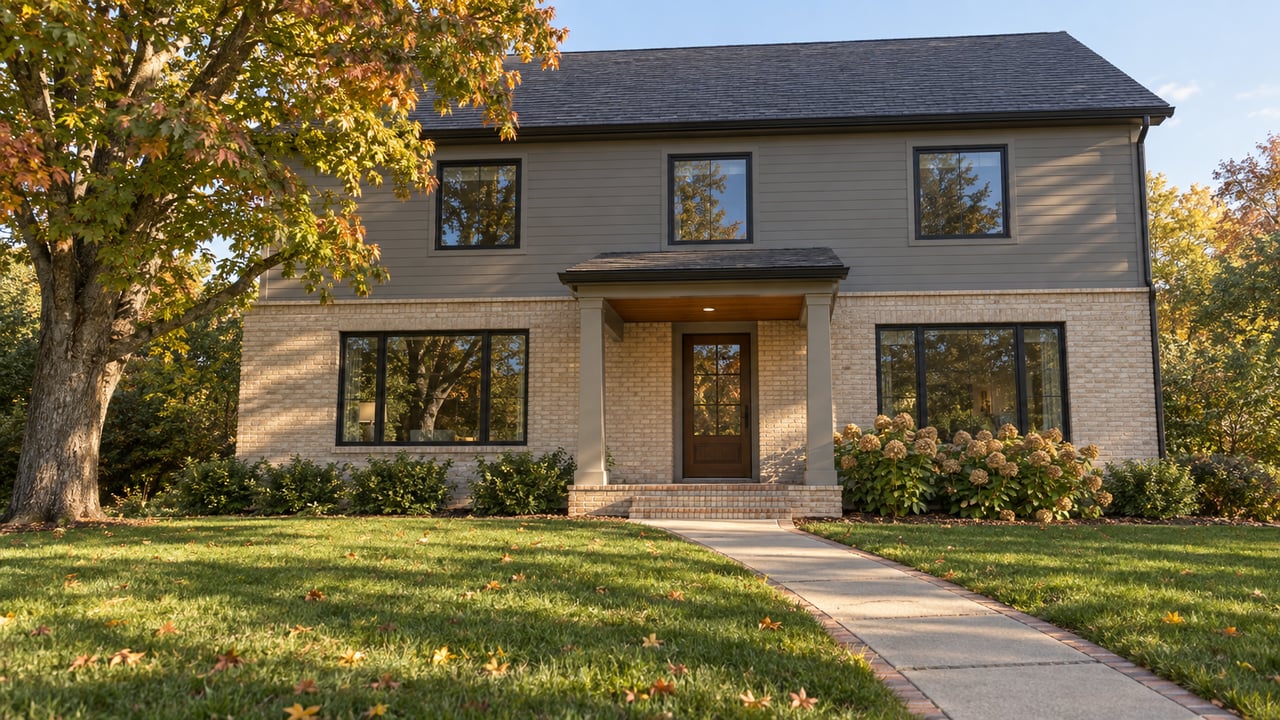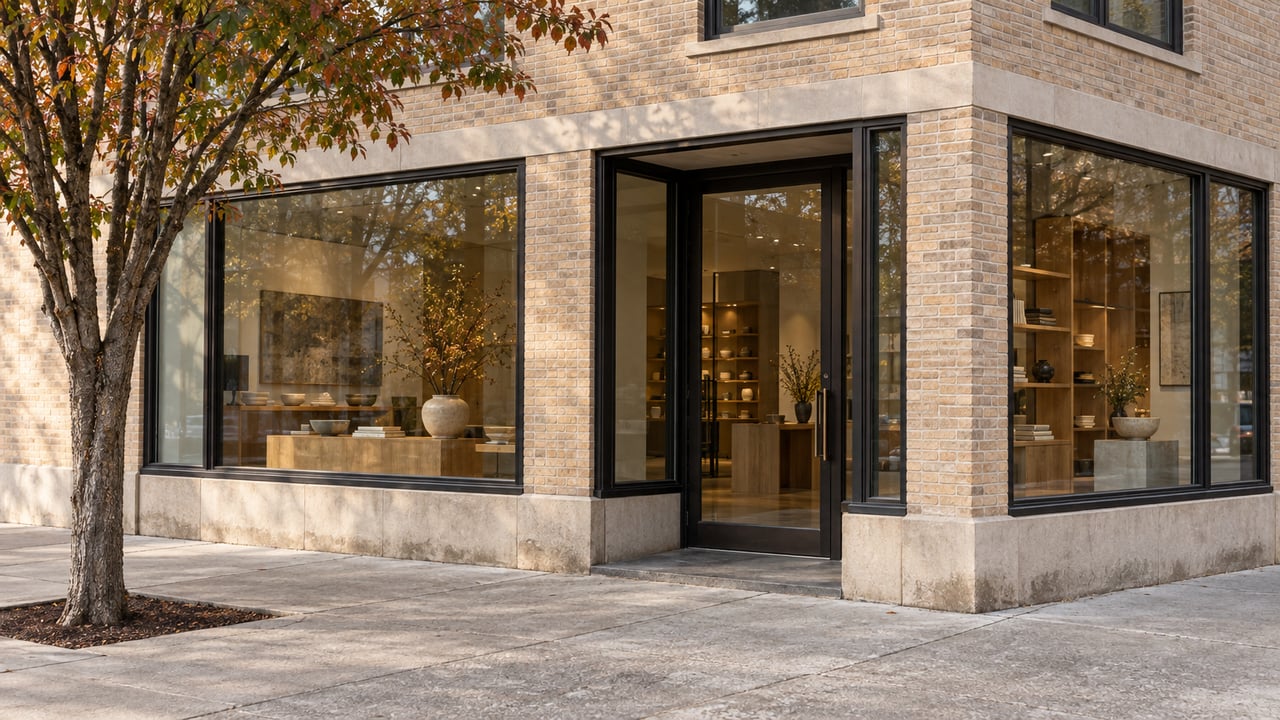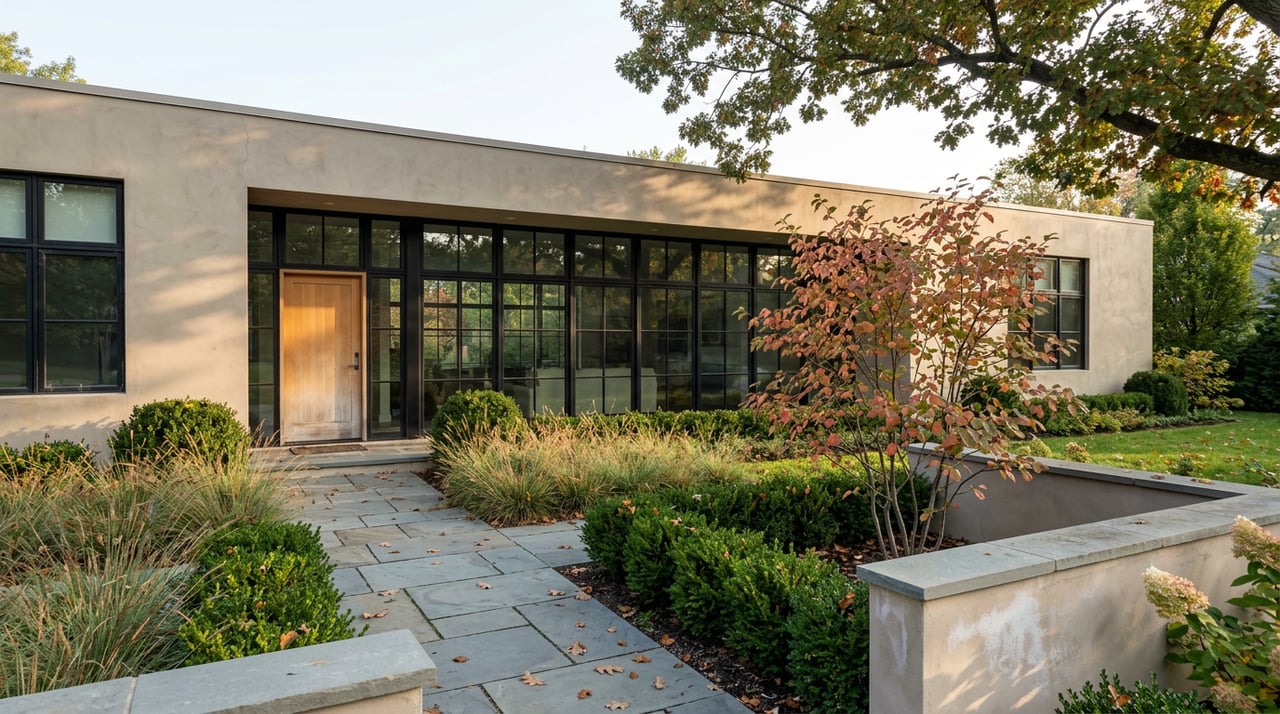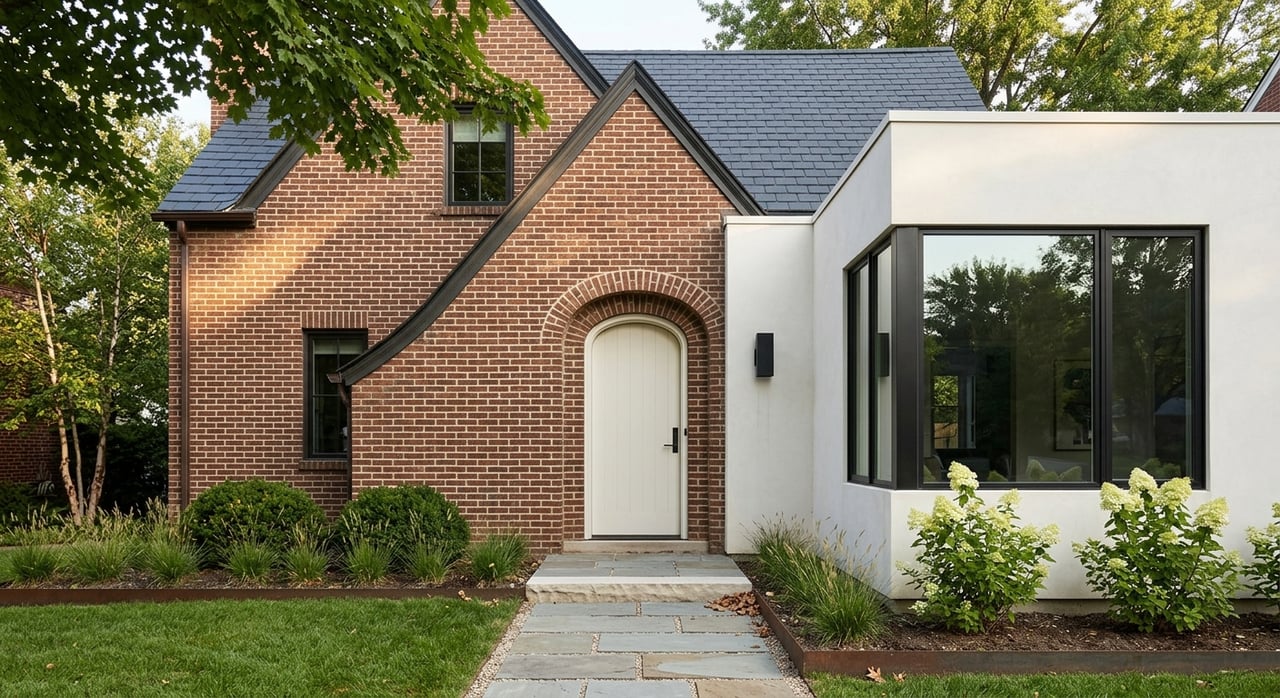
Choosing in Stillwater is rarely just about square footage. More often, it comes down to how you want to live: surrounded by historic detail and a strong sense of place, or in a home that starts with newer systems, modern efficiency, and a more predictable maintenance curve. If you are weighing historic charm against new construction in Stillwater, this guide will help you compare the tradeoffs that matter most, from design review and upkeep to energy performance and lot location. Let’s dive in.
Why this choice feels bigger in Stillwater
Stillwater has a distinct identity as a St. Croix River community that values preservation. The city describes itself as a historic rivertown that takes pride in preserving the past, and that mindset shapes how many homes and neighborhoods are evaluated.
That does not mean every older home sits in one formal residential historic district. In Stillwater, the only formal historic district is the Downtown Commercial Historic District, while many older residential areas are documented through neighborhood-history studies, the Heirloom Homes program, or design-review overlays. The city also uses overlay districts such as Bluff Top, Bluffside, Historic, Parkside, and Riverside, which means geography and neighborhood context can play a major role in what ownership feels like.
What historic charm really offers
A historic home in Stillwater often gives you something hard to replicate in new construction: architectural character and a deeper connection to the city’s story. For many buyers, that means original materials, period details, and a setting that feels tied to the river town’s older fabric.
Older homes can also offer a stronger sense of place within established areas. If you are drawn to walkable surroundings, layered streetscapes, and homes that feel visually distinct from one another, a historic property may align more naturally with your goals.
Historic does not mean frozen in time
One common misconception is that buying an older home means you cannot make changes. In Stillwater, local designation does not prohibit changes, and owners may keep the current look of a building.
The key issue is that significant exterior changes may need review for compatibility under the relevant district or overlay process. The city also notes that staff and the Heritage Preservation Commission can provide technical assistance, which can make the process feel more manageable if you are planning updates.
Historic homes often ask more of you
The tradeoff for character is usually maintenance. Many older homes have less insulation than homes built today, and single glazing is common in older buildings, while modern efficient buildings generally use double- or triple-pane glazing.
Wood window frames can also require regular maintenance over time. That does not make an older home the wrong choice, but it does mean you should expect a more hands-on ownership experience than you might with a newer build.
What new construction tends to solve
New construction usually appeals to buyers who want a cleaner starting point. In practical terms, that often means newer insulation, windows, air sealing, and HVAC systems, along with a more predictable early ownership experience.
ENERGY STAR certified new homes are designed and built to exceed minimum energy-code requirements by at least 10%, and they are independently verified for key performance features. For you as a buyer, that can translate to stronger comfort and efficiency from day one.
New does not mean unrestricted
In Stillwater, a new build is not simply a blank canvas. The city requires permits for many projects, including new construction, and many projects require plan review.
For new homes and larger projects, the city requires full-sized, scaled plans. In historic or design-review contexts, the city may also review size, massing, materials, and the relationship to surrounding buildings so that new development remains compatible with its setting.
New construction can still fit older settings
If you love Stillwater’s established areas but prefer a newer home, that combination may still be possible. The city’s review framework allows new construction in older or more sensitive areas, but the design may be evaluated for compatibility with the surrounding context.
That matters because some of the best new homes in places like Stillwater are not those that ignore their setting. They are the ones that respect the lot, the neighborhood pattern, and the broader visual rhythm of the area.
Compare upkeep, comfort, and flexibility
When you are deciding between historic charm and new construction, it helps to separate emotional appeal from day-to-day function. Both options can work well, but they ask for different kinds of ownership.
| Factor | Historic Home | New Construction |
|---|---|---|
| Character | Often strong architectural detail and period appeal | Usually cleaner lines and more contemporary layouts |
| Energy baseline | May have less insulation and older windows | Typically starts with newer efficiency standards |
| Maintenance | Often more cyclical upkeep | Usually fewer near-term system concerns |
| Exterior changes | Significant changes may need compatibility review | New builds may still face design and plan review |
| Sense of place | Often closely tied to Stillwater’s preservation story | Can offer modern living with context-sensitive design |
Older homes can improve more than you think
If you love an older Stillwater home but worry about efficiency, the choice is not always all or nothing. The practical way to evaluate an older property is to look at performance separately from appearance.
The Department of Energy notes that existing homes can often be improved through insulation, weatherization, storm windows, and window upgrades. In some cases, low-e storm windows can reduce heating and cooling costs by 12% to 33%, depending on the existing window condition.
That is important in a place like Stillwater, where preserving original character may matter to you. In many cases, you may be able to improve comfort and energy performance without replacing every historic feature.
Location may matter as much as age
In Stillwater, the lot itself can be just as important as the house on it. Because the city’s identity is tied to the St. Croix River, bluff conditions, river proximity, and topography can shape both your enjoyment of a property and the rules that apply to it.
If you are choosing between an older river-adjacent home and a newer inland property, you are not only comparing architecture. You are also comparing site sensitivity, potential review layers, and long-term maintenance realities.
Riverfront appeal comes with site sensitivity
Stillwater says most of the city remains in Zone X, outside the 0.2% annual-chance floodplain. At the same time, the city advises buyers to check flood-zone status by specific property rather than by city name alone.
Federal flood insurance is available throughout the community regardless of zone. So if you are drawn to a river-adjacent property, it is smart to evaluate the exact parcel rather than rely on broad assumptions about the area.
Bluff and corridor rules can affect ownership
Some scenic lots also come with extra site-management considerations. Stillwater requires a tree-cutting permit when trees are on ravines, along bluffs, on slopes greater than 24%, in the St. Croix River Corridor, or on a lakeshore.
The city also applies stricter vegetation standards in river-corridor and bluff-related settings. In simple terms, the most visually striking lots can also come with more review and stewardship responsibilities.
How to decide which path fits you
A good decision usually starts with honesty about your priorities. If you are energized by original architecture, layered neighborhood character, and the idea of caring for an older property over time, a historic home may feel deeply rewarding.
If you would rather start with stronger efficiency fundamentals, newer systems, and fewer near-term surprises, new construction may be the better fit. Neither choice is inherently better. The right choice is the one that matches how you want to live and what kind of ownership experience you want to take on.
A simple Stillwater decision filter
Ask yourself these questions as you compare homes:
- Do you value architectural character more than turnkey performance?
- Are you comfortable with periodic upkeep and improvement projects?
- Would district or design-review approval feel manageable to you?
- Is river or bluff proximity part of the appeal, even if it adds site considerations?
- Do you want a home that reflects Stillwater’s past, or one that prioritizes a newer baseline?
The best choice is usually the more intentional one
In Stillwater, the historic-versus-new question is really a question about fit. The city’s preservation culture, overlay districts, river geography, and design-review standards mean that your experience will be shaped by more than the year a home was built.
When you look beyond labels, the decision becomes clearer. Historic homes can offer warmth, identity, and architectural richness. New construction can offer efficiency, comfort, and a more standardized starting point. The right move is choosing the version of Stillwater that feels most like home to you.
If you want a thoughtful, design-aware perspective as you compare distinctive older homes and well-positioned new builds in Stillwater, Juan Rivera can help you evaluate the details that matter most.
FAQs
Can you update a historic home in Stillwater?
- Yes. Significant exterior changes may need compatibility review under the relevant local process, but local designation does not prohibit changes or require full restoration.
Are older homes in Stillwater always less efficient?
- No. Many older homes have less insulation than newer homes, but insulation, weatherization, storm windows, and other upgrades can improve comfort and performance.
Does new construction in Stillwater still go through review?
- Yes. Permits are required for many projects, including new construction, and some homes may also go through plan review or compatibility review based on location and context.
Does buying near the St. Croix River mean flood insurance is required?
- Not automatically. Stillwater says flood-zone status is property-specific, and most of the city remains in Zone X.
Can a newer home work in an older Stillwater neighborhood?
- Yes. New construction can occur in older or more sensitive parts of Stillwater, but the design may be reviewed for compatibility with the surrounding area.