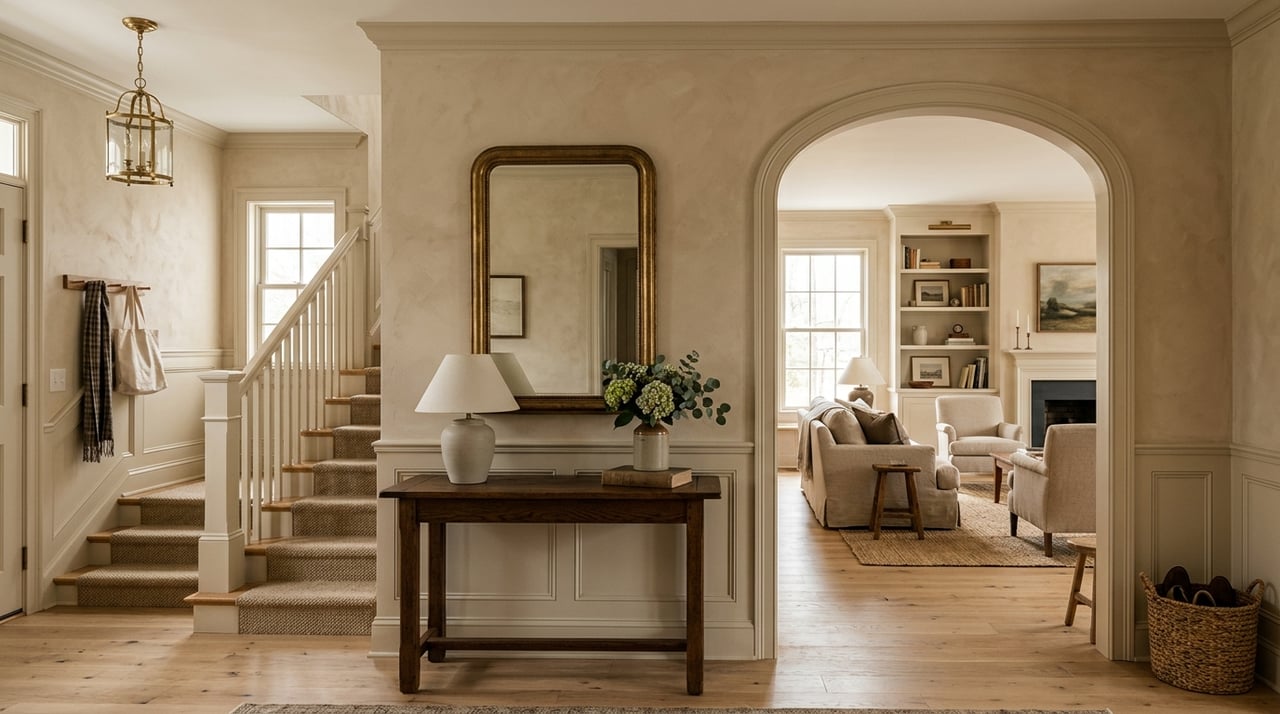
Are you drawn to neighborhoods where the homes feel as distinctive as the setting itself? In Kenwood, architecture and daily life are closely linked, with historic houses, parkways, and lake access shaping how the neighborhood looks and feels. If you are trying to understand what Kenwood homes are really like, this guide will walk you through the area’s architectural character, common layout patterns, and the lifestyle that comes with living here. Let’s dive in.
Kenwood at a glance
Kenwood is a compact Minneapolis neighborhood in Ward 7, bounded by Cedar Lake Parkway, Kenwood Parkway, West Lake of the Isles Parkway, and Kenilworth Place. It is closely tied to the Chain of Lakes and has long been known for historic homes, green space, and a strong sense of neighborhood stewardship.
The area was platted around 1887, just outside Minneapolis city limits. Today, about 540 residential structures remain, and roughly 85 percent of Kenwood homes are owner occupied. That history helps explain why the neighborhood still feels established, residential, and visually cohesive even though the architecture is varied.
Kenwood architecture styles
Kenwood does not read like a single-style neighborhood. Instead, it feels layered, with houses from the late 19th and early 20th centuries sitting beside homes that reflect later updates and restorations.
The architectural mix identified in Kenwood includes Victorian, Tudor, Queen Anne, Regency, and Prairie School styles. This variety is one of the neighborhood’s defining strengths, especially if you appreciate homes with individual character rather than a repeated streetscape.
Victorian and Queen Anne homes
Victorian and Queen Anne homes often stand out for their visual complexity. In practical terms, that can mean asymmetrical shapes, bay windows, wraparound porches, and a layout that tends to organize movement around a central staircase.
Inside, these homes often feel more formal and room-by-room than newer houses. If you like defined spaces for living, dining, reading, or working, this style may feel especially appealing.
Prairie School influences
Prairie School homes bring a different feel. These houses emphasize horizontal lines and often create stronger visual connection across the main level, with more open first-floor layouts, built-ins, and clear sightlines.
For many buyers, that translates into a home that feels architectural but also easier to live in day to day. The result is often a balance of historic character and a more connected interior flow.
Bungalows and compact homes
Craftsman bungalows are typically more compact, often one story or one-and-one-half stories, with broad porches and efficient circulation. Their layouts are usually straightforward, with rectangular plans and practical room placement.
In a neighborhood known for larger residences, these homes can appeal to buyers who want period character in a more manageable footprint. They also reflect the broader range of housing forms that developed over time.
How Kenwood homes are laid out
One of the most useful ways to think about Kenwood homes is through their floor plans. Because the neighborhood includes multiple architectural styles and many homes have been updated, layouts can range from highly traditional to more open and flexible.
In general, Queen Anne and Victorian homes tend to be stair-centered and room-by-room. Prairie homes tend to feel more open and connected. Bungalows usually emphasize compact and efficient living.
Formal layouts in older homes
In many older Kenwood houses, the original floor plan was built around separation of space. You may see entry halls, formal living and dining rooms, and a clear distinction between public and private areas of the home.
That kind of layout can be a strong fit if you value architectural definition and rooms with specific uses. It can also create opportunities for libraries, studies, music rooms, or guest spaces in homes with larger footprints.
Open flow in Prairie-inspired plans
Homes with Prairie influences often feel more adaptable to modern living. The first floor may offer better sightlines between living spaces, stronger indoor flow, and a less segmented experience overall.
If you want historic design without quite as much compartmentalization, this layout style can be especially attractive. Built-ins and integrated architectural details often add function without sacrificing character.
Efficient use of space
More compact homes in Kenwood, including bungalows and similar early-20th-century forms, tend to make efficient use of every square foot. Circulation is simpler, and the connection between rooms usually feels direct.
That can work well if you prefer lower-maintenance living or want a home with charm that does not require the scale of a large estate-style property. In practice, these layouts often feel comfortable, practical, and easy to furnish.
Why many interiors feel unique
Kenwood’s layout story is not just about original architecture. It is also about adaptation. The neighborhood’s history notes that many larger houses were subdivided into rooming houses or duplexes in the mid-1900s and later restored to single-family use in the 1960s and 1970s.
That means some homes now combine original room sequences with later reconfigurations, updated kitchens and baths, and restoration work completed across different periods. As a result, two homes from the same era can live very differently today.
For buyers, this is an important part of the neighborhood’s appeal. You are often not choosing between old and new. You are choosing between different interpretations of historic living, shaped by renovation decisions over time.
Landmark setting and visual character
Kenwood’s homes do not exist in isolation. Much of the neighborhood’s appeal comes from the setting around them, including parkways, mature streets, and the lake edges that frame daily views.
One local landmark is the 1910 Kenwood Water Tower, described by the City of Minneapolis as a Romanesque Revival structure overlooking Kenwood Park. Along with the larger homes on the parkways, it helps define the neighborhood’s visual identity.
The American Planning Association has described Kenwood as a 95-acre streetcar suburb with a park-like setting, curving streets, and downtown views about two miles to the northeast. That combination gives the neighborhood a distinctive sense of enclosure and openness at the same time.
Kenwood lifestyle and daily rhythm
Kenwood’s lifestyle is strongly tied to parks and the lake. Lake of the Isles sits at the heart of the neighborhood and supports walking, biking, canoeing, kayaking, and paddleboarding.
For many residents, that means daily routines naturally extend outdoors. A morning walk, an evening loop by the water, or quick access to trails can become part of how you use the neighborhood rather than an occasional amenity.
Kenwood Park and green space
Kenwood Park, acquired in 1907, remains largely natural and includes trails, tennis courts, a playground, and long views over the lake. This adds another layer to the neighborhood experience, especially if you value nearby open space without leaving the residential setting.
The park also reinforces the calm tone of the area. Kenwood feels active, but not busy in a high-retail or nightlife sense.
Everyday convenience without losing character
Although Kenwood is primarily residential, the neighborhood also includes some everyday utility. Local references point to a small commercial node at Penn and 21st Street, along with the Kenwood Elementary School and park-recreation center area.
That mix supports day-to-day convenience while preserving the neighborhood’s residential identity. In other words, Kenwood tends to offer access and practicality without shifting into a more commercial environment.
Civic culture and stewardship
Kenwood is also known for an engaged neighborhood organization, year-round events, and an emphasis on preservation and stewardship. That can shape the feel of the area just as much as the housing stock itself.
If you are looking for a neighborhood where design, upkeep, and continuity matter, Kenwood often stands out. The atmosphere tends to feel scenic, thoughtful, and community-aware.
Who Kenwood may suit best
Kenwood often appeals to buyers who care about architecture as much as address. If you are drawn to homes with visual history, layered interiors, and a setting shaped by parkways and water, the neighborhood offers a compelling combination.
It may be a strong fit if you want:
- Historic homes with individual character
- A mix of formal and more open layout options
- Daily access to parks and Lake of the Isles
- A primarily residential neighborhood with enduring architectural identity
- A setting that feels established, scenic, and design-conscious
For sellers, Kenwood’s appeal is also highly specific. Buyers are often responding not just to square footage or finishes, but to how a home expresses the neighborhood’s architectural story and relationship to place.
What to notice when touring Kenwood homes
If you are actively exploring the neighborhood, it helps to look beyond surface finishes. In Kenwood, the most meaningful differences between homes often show up in layout logic, restoration choices, and how the home sits within its site and streetscape.
Pay close attention to:
- Whether the floor plan feels formal, open, or hybrid
- How much original detail remains
- Where later renovations have improved function
- The relationship between interior rooms and outdoor views
- How the home connects to parkways, trails, or lake-adjacent spaces
Those details can tell you a great deal about how the home will live over time. In a neighborhood like Kenwood, they also help explain why one property may resonate more strongly than another.
Kenwood offers something increasingly rare: a neighborhood where architecture, landscape, and daily rhythm still feel closely connected. If you are searching for a home with design pedigree and a strong sense of place, or preparing to position a distinctive property for the right buyer, working with a team that understands both the housing stock and the neighborhood story can make a meaningful difference. To start a thoughtful conversation about buying or selling in Kenwood, connect with Juan Rivera.
FAQs
What architectural styles are common in Kenwood homes?
- Kenwood includes a broad mix of Victorian, Tudor, Queen Anne, Regency, and Prairie School styles, rather than a single uniform look.
What do Kenwood home layouts usually feel like?
- Layouts vary by style, but many Victorian and Queen Anne homes feel more formal and room-by-room, while Prairie-style homes often feel more open and connected.
Are Kenwood homes mostly historic?
- Kenwood developed around the late 19th and early 20th centuries, and much of its housing character still reflects that period, even though many homes have been updated over time.
What is daily life like in Kenwood, Minneapolis?
- Daily life in Kenwood is strongly shaped by Lake of the Isles, Kenwood Park, trails, and a primarily residential setting with a calm, stewardship-minded neighborhood culture.
Why do some Kenwood interiors feel different from others?
- Many Kenwood homes were adapted over time, including periods when larger houses were subdivided and later restored, so current interiors often reflect a mix of original design and later reconfiguration.