Trying to choose between a condo in Downtown East and one in another Minneapolis hotspot? You are not alone. Each district delivers a different daily rhythm, view profile, and amenity mix, which can change what you pay and how you live. In this guide, you will see how Downtown East compares with the North Loop and the downtown core on views, amenities, walkability, transit, and pricing signals, plus a quick checklist to shop smarter. Let’s dive in.
What defines each area
Downtown East (Mill District)
Set along the Mississippi riverfront, Downtown East centers around cultural anchors like the Guthrie Theater and Mill City Museum, with immediate access to Gold Medal Park, the riverfront trails, and the Stone Arch Bridge. These landmarks help explain why many buildings and listings emphasize river and bridge views. Explore nearby attractions through the Mill City Museum’s overview of the area’s cultural sites and parks for context: Mill District area attractions.
North Loop (Warehouse District)
North Loop sits just northwest of the river and blends converted brick-and-timber warehouses, design-forward shops, and a dense dining scene. It also has direct proximity to Target Field and Target Field Station, which shape its transit advantage and energy. For a neighborhood view, check the North Loop Neighborhood Association’s overview, and for the area’s historic context see the City’s Warehouse Historic District.
Downtown core (Downtown West/Central)
The central business district prioritizes skyway-connected living, quick access to office towers, and convenience-focused amenities. Many condo buildings here plug into the skyway network, which makes winter walks calmer and faster. For a practical map and how the system works, see the Minneapolis Skyway Guide.
Condo styles and amenities
Downtown East product
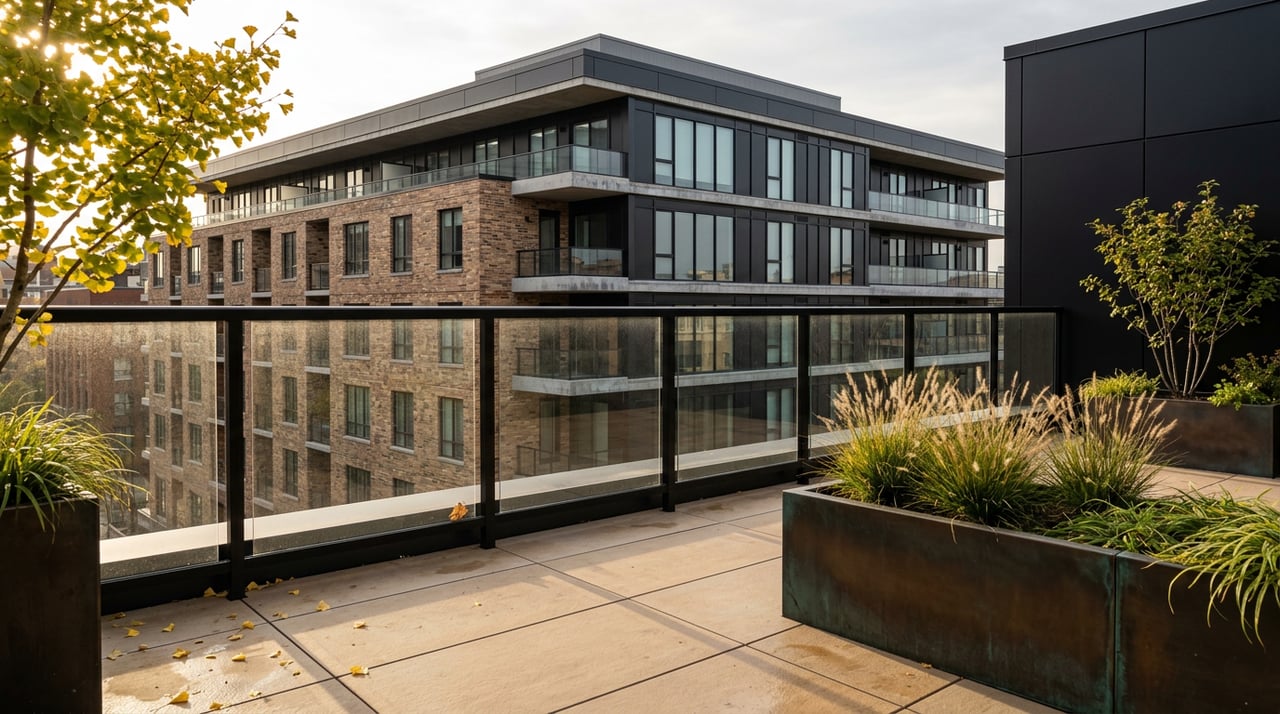
You will find modern towers, mid-rise boutique buildings, and mill conversions with larger floor plates and high ceilings. Amenity sets often include concierge services, secure heated parking, fitness spaces, rooftop terraces or pools, and private storage. Buildings that front the river or overlook the Stone Arch Bridge tend to command higher per-square-foot pricing, with HOA fees that reflect fuller amenity packages and included utilities. Always confirm what the HOA covers.
North Loop product
Historic loft conversions are the calling card: exposed brick and timber, tall ceilings, and open plans. Many conversions keep amenities minimal to preserve character, while newer mid- and high-rise projects add rooftop terraces, gyms, and event spaces similar to what you see in Downtown East. Recent tower development near Target Field illustrates how the amenity bar is rising in select projects; get a sense of that evolution in this North Loop tower feature.
Downtown core product
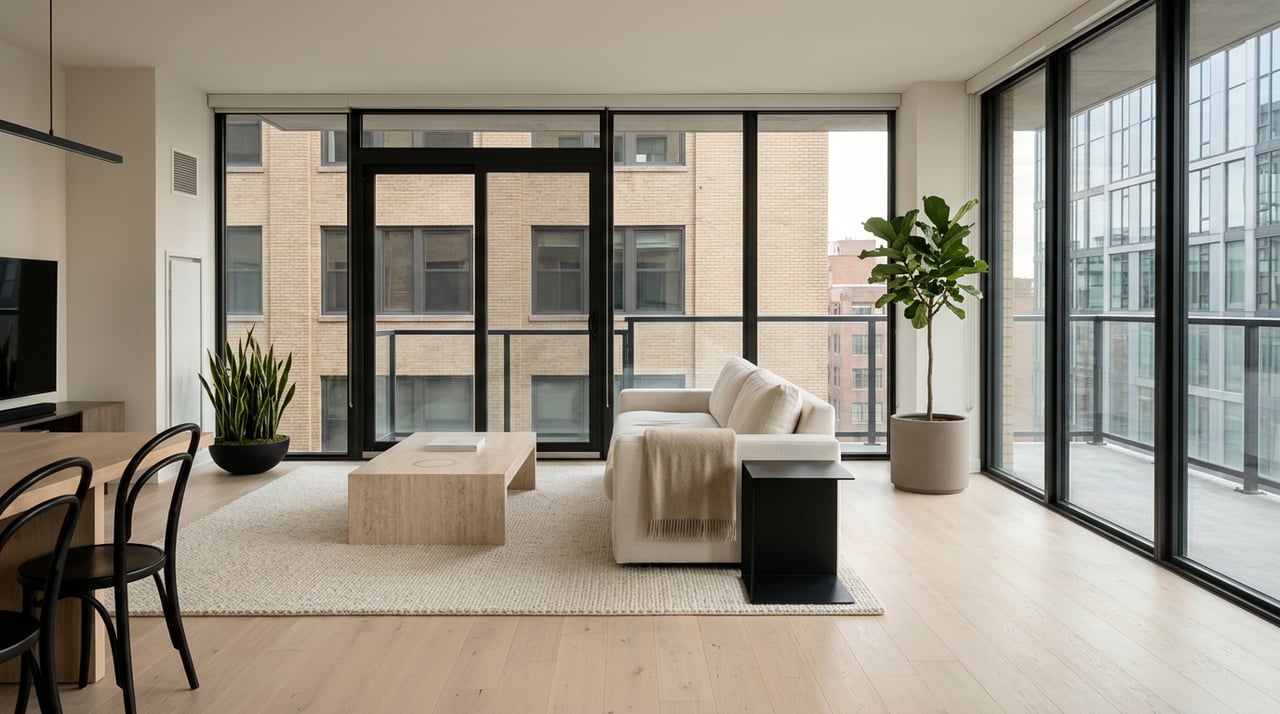
Glass-and-steel high-rises dominate, often with smaller footprints than lofts but strong convenience features. Skyway access is a major selling point, along with fitness rooms, package service, and garage parking. If your priority is climate-controlled daily life and elevator-to-office ease, this is where to look first.
Walkability and transit
Walk scores and on-foot access
All three areas are highly walkable by national standards. Walk Score reports around 91 for Downtown East and about 93 for Downtown West, with the North Loop near 84. You can compare neighborhood scores on the Walk Score Minneapolis page. In Downtown East, everyday errands often include a riverfront stroll, and the Stone Arch Bridge is an easy walk for most buildings close to the Mill District.
Light rail and regional links
- Downtown East is served by the U.S. Bank Stadium/Downtown East station on the METRO Blue and Green lines, offering direct light-rail links to the airport and destinations across the city.
- North Loop benefits from Target Field Station, a multi-modal hub where the METRO Blue and Green lines meet the Northstar Commuter Rail and numerous bus routes. See Metro Transit’s summary of the hub’s role in regional connectivity: Target Field Station factsheet.
Trails and bikes
The riverfront path network around St. Anthony Falls and the Stone Arch Bridge is a daily quality-of-life upgrade for cyclists and walkers. Proximity is strongest in Downtown East, with quick access also from parts of the North Loop. You can preview nearby park and trail highlights by browsing the Mill District area attractions.
Lifestyle and daily rhythm
Downtown East
Expect a cultural and park-forward lifestyle with daytime energy tied to the Guthrie, Mill City Museum, and the riverfront. U.S. Bank Stadium events add periodic spikes in foot traffic and transit loads. The feel is more museum-and-park during the day, with a calmer dining scene compared with North Loop. For cultural orientation, see this snapshot of Mill District attractions.
North Loop
Dining, breweries, retail, and game-day buzz create an always-on atmosphere. The restaurant concentration is a key draw for buyers who want an evening scene within a short walk. For a neighborhood-level look at amenities and lifestyle, start with the North Loop Association overview.
Downtown core
The rhythm follows the workday, with eateries and services clustered for office workers and residents who want skyway convenience. Nightlife exists but is more dispersed than in North Loop. If you value indoor connectivity in winter, the Skyway Guide is a helpful reference.
Views and natural features
- Downtown East is the strongest choice if uninterrupted Mississippi River, Stone Arch Bridge, or park views top your list. West- and north-facing higher floors near the riverfront are your best bet. You can get a feel for why these vistas matter by scanning the Mill District attractions.
- North Loop offers select river and skyline vantage points, though many lofts frame streetscapes or interior courtyards due to warehouse-scale footprints.
- The downtown core focuses on skyline and city views rather than riverfront panoramas.
Price signals and value
Market snapshots vary by provider and by whether they track closed sales or active listings. As an example of early-2026 figures, Redfin reports a North Loop median sale price around $595K as of February 2026, while Realtor.com shows Downtown East with a median listing price near $700K and a median price per square foot around $428. These differences highlight why you should label each figure as sold or listing and note the date.
Practical takeaways:
- Downtown East often carries a premium for riverfront orientation and newer, amenity-rich towers.
- North Loop pricing rewards authentic loft character and new towers near key amenities like Target Field Station.
- Within each area, floor height, view corridor, parking type, and what the HOA includes can shift value significantly.
Note on data: neighborhood medians and inventory can change quickly. Use current MLS data and building HOA documents before making decisions, or connect with a local advisor for up-to-date guidance.
Quick fit guide
- Want river views and cultural anchors? Prioritize Downtown East’s Mill District for proximity to the Guthrie, Mill City Museum, and the Stone Arch Bridge.
- Want historic loft character and a strong dining scene? Focus on North Loop’s brick-and-timber buildings and newer towers near Target Field.
- Want maximum winter convenience to offices and services? Consider the skyway-connected towers in the downtown core.
Buyer checklist
Use this list to compare specific buildings and units with confidence.
- Verify sold versus listing data
- Compare closed-sale comps to any listing medians you see, and note the as-of date and source methodology.
- Review HOA documents and reserves
- Read the budget, reserve study, and recent meeting minutes to understand coverage, fees, and any special assessments.
- Confirm parking and storage
- Is parking heated, assigned, deeded, or rented? What about EV charging and guest parking? Check condo docs for details.
- Map event-day impacts
- Stadium and ballpark events can change traffic and transit loads. Preview schedules and transit planning tips in Metro Transit’s Twins and transit guide.
- Check floodplain and insurance
- River-adjacent properties can involve flood designations. Consult FEMA flood maps and county records, and see this EPA overview on flood insurance basics: EPA guide.
- Align building type with lifestyle
- Older lofts may have fewer included utilities and unique maintenance needs. Newer towers often include more amenities but can have higher HOAs. Confirm what is included and how it fits your routine.
If you want a curated shortlist that matches your lifestyle and design goals, a guided tour of Downtown East, North Loop, and the core can bring these differences into focus.
Ready to compare buildings, stack plans, and views side by side? Connect with Juan Rivera for a refined, data-forward search that fits your life.
FAQs
How do HOA fees in Downtown East compare to North Loop?
- Fees vary by building and what is included. Downtown East towers often bundle more amenities, which can mean higher HOAs, while many North Loop conversions keep amenities leaner. Always review the association’s budget and inclusions.
Is Downtown East as walkable as the downtown core in winter?
- Both rate very high on Walk Score. The downtown core has the edge for winter comfort due to direct skyway connections, while Downtown East offers quick park and river access on foot.
Which area is best for river and bridge views?
- Downtown East is your strongest option for direct Mississippi River, Stone Arch Bridge, and park outlooks, especially from higher floors near the riverfront.
How does transit access differ for airport and commuting?
- Downtown East uses the Blue and Green light-rail lines from the U.S. Bank Stadium/Downtown East station for airport and city links, while North Loop ties into Target Field Station, which combines light rail, Northstar commuter rail, and buses for broader regional access.
Do stadium or ballpark events affect daily living?
- Yes, event days can bring heavier foot traffic and transit loads near U.S. Bank Stadium and Target Field. Some residents enjoy the energy and easy transit access, while others prefer quieter blocks.
What should I check before buying a river-adjacent condo?
- Confirm floodplain status, insurance requirements, and any related HOA policies. Review building reserves, recent assessments, and what utilities and services your HOA covers.