Wondering why one Downtown East condo lists dues around one number while another is much higher? In a neighborhood of mid and high‑rises, fees vary because of building systems, amenities, and how utilities are billed. When you know what those dues include and how to read the association’s financials, you can compare options with confidence. In this guide, you will learn what HOA fees typically cover in Downtown East, how to interpret budgets, local red flags, and smart questions to ask before you make an offer. Let’s dive in.
How HOA dues work in Downtown East
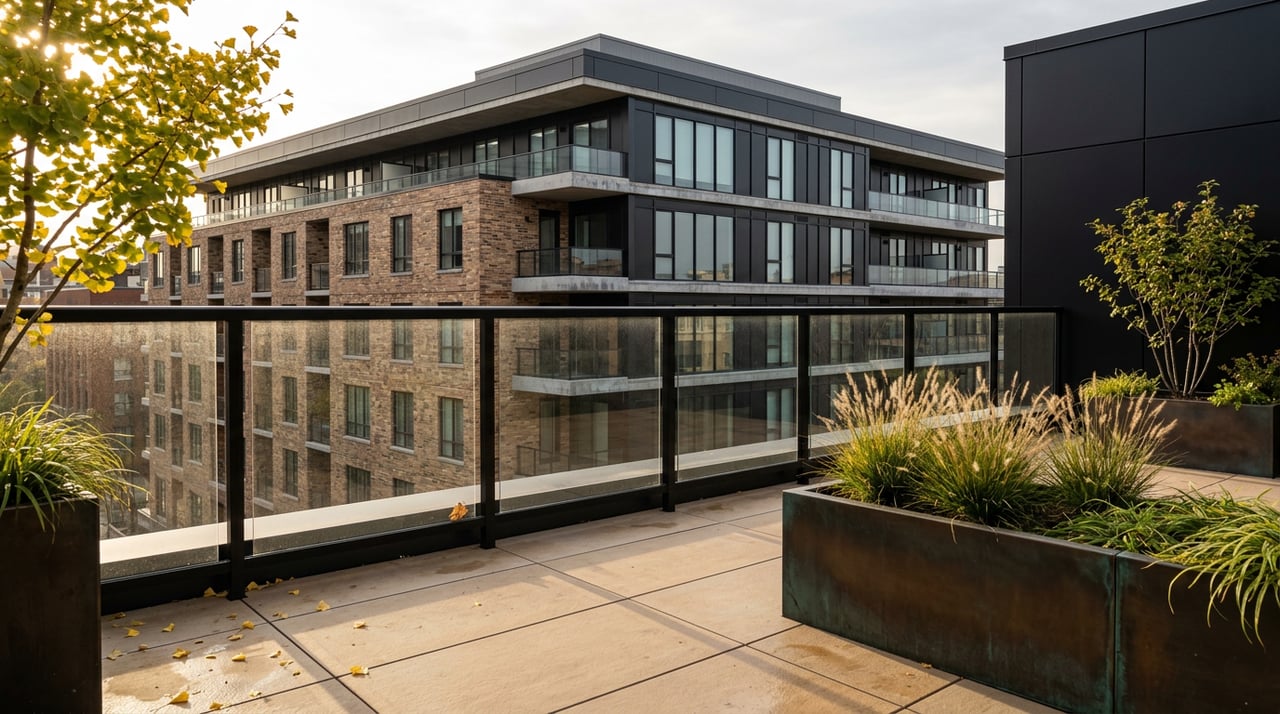
Downtown East is home to mid‑ and high‑rise condos, plus some mixed‑use conversions. Larger buildings often have centralized mechanical systems, elevators, and more complex exterior maintenance. These factors increase operating costs compared to small walk‑up or townhome communities. The building’s type and scale are a major driver of dues.
Age matters too. Older conversions or early high‑rises tend to face more frequent capital repairs, like façade work or window replacements. Newer buildings may have fewer near‑term repairs but higher amenity and management costs. Always pair age with the maintenance and amenity profile to understand the full picture.
Amenities and services also shape monthly dues. Concierge or 24‑hour desk coverage, fitness centers, rooftop decks, pet areas, and pools all carry ongoing costs. Staffing, equipment service, and increased utilities show up in the budget.
Minneapolis winters add a distinct layer of expense. Snow removal, de‑icing, freeze protection, and heating system maintenance are recurring needs. The climate also affects building envelope care, like caulking and waterproofing. You will see these seasonal realities reflected in operating lines and reserves.
Utility arrangements can make a big difference. Some buildings are master‑metered for water, sewer, or heat, so those costs are included in dues. Others are individually metered, which shifts charges to owners directly. Always confirm how the target unit is metered and billed.
Finally, the local cost environment influences budgets. Property taxes on common elements, city utility rates, and the regional insurance market can raise association expenses. Rising commercial property insurance premiums have been a notable factor in many communities.
What HOA fees typically cover
Utilities
- Water and sewer for common areas or for units if the building is master‑metered.
- Heat and hot water when provided centrally, which is common in high‑rises.
- Electricity for common areas, including corridors, elevators, and amenity spaces.
- Gas used for central systems, such as boilers, if present.
- Bulk internet or cable if the association has a building‑wide contract.
- What to check: whether the unit is individually metered, which utilities are included in dues, and any bill‑back arrangements.
Building operations and repairs
- Routine cleaning and janitorial services for common spaces.
- Elevator maintenance and required inspections, a major recurring cost in high‑rises.
- Service contracts for mechanical and HVAC systems, including boiler or chiller care.
- Common plumbing and electrical repairs.
- Exterior maintenance like façade repair, window replacement, caulking, and waterproofing.
- Roofing, gutters, drainage, and pest control as needed.
- Snow removal, de‑icing, and winter safety measures, including garage ramps and entrances.
- Trash and recycling collection, compactors, and related services.
- What to check: recent major repairs, warranty history, and any known deferred maintenance.
Amenities and services
- Staffing for concierge, front desk, or on‑site security.
- Fitness center equipment servicing and replacement cycles.
- Pool and spa maintenance if the building has these amenities.
- Landscaping for planted areas, rooftop gardens, and hardscape upkeep.
- Party or meeting room utilities, cleaning, and routine care.
- What to check: amenity use policies, booking procedures, and whether upkeep is outsourced to contractors.
Insurance and taxes
- Master property insurance for the building and common elements, with specific policy limits and deductibles.
- Liability insurance for common areas.
- Property tax on any association‑owned parcels or common elements, where applicable.
- What to check: master policy declarations, coverage scope, insurer, limits, deductibles, and any clauses that allow billing owners for deductibles.
Reserve fund contributions
- Annual contributions set aside for major replacements, such as roofing, windows, elevators, parking decks, and façade work.
- Ideally guided by a reserve study that outlines expected life cycles and costs.
- What to check: current reserve balance, recent or planned draws, and the board’s funding policy.
Administrative and management
- Property or association management fees.
- Accounting, audit, and tax preparation services.
- Legal counsel, board meeting costs, office supplies, postage, and owner communications.
- Banking fees and costs related to collections.
- What to check: management contract terms, financial reporting frequency, and recent legal expenses.
Debt service and special assessments
- Some associations carry loans for capital projects, so dues may include loan payments.
- Special assessments are one‑time charges for unplanned needs or large projects.
- What to check: outstanding loans, repayment schedules, and the history of special assessments over the past 5 to 10 years.
Parking, storage, and optional services
- Parking might be included in dues, billed separately, or available for purchase or lease.
- Storage lockers or bike storage can have separate fees.
- What to check: parking assignments, waitlists, guest rules, and whether rights transfer with the sale.
How to read budgets and financials
Understanding the association’s budget and statements helps you gauge both monthly costs and future risk. Ask for documents early so you can compare buildings. A quick, organized review can prevent unpleasant surprises after closing.
Documents to request
- Most recent annual budget and the current year’s approved budget.
- Year‑to‑date balance sheet and income and expense statement.
- Latest reserve study and any updates, plus current reserve fund balance and withdrawals over the past 3 to 5 years.
- Board meeting minutes for the last 12 to 24 months.
- Association declaration, bylaws, house rules, and operating or management agreements.
- Master insurance policy declarations page.
- List of planned capital projects, bids, and any loan documents.
- Aging report and delinquency schedule, showing accounts past due by 30, 60, or 90+ days.
- Recent inspection reports, including engineering, roof, window, and elevator records if available.
What key line items mean
Operating vs reserve accounts: The operating account covers day‑to‑day bills. The reserve account is for capital replacement. A very low operating balance paired with high expenses can signal cash flow risk.
Reserve study and funding status: The reserve study lists major components, expected life, and replacement cost. Check the funded ratio if provided, which compares actual reserves to the recommended amount. A low funded ratio often points to future special assessments or steep dues increases.
Delinquency and collections: High delinquency rates can stress cash flow and lead to assessments. Ask for total outstanding amounts and the count of units over 90 days past due. Review the collection policy and whether there is recent foreclosure or lien activity.
Operating surplus or deficit trends: Repeated deficits suggest dues may be too low for actual costs. Expect increases or assessments if this pattern continues.
Large one‑time expenses and vendor contracts: Scan for major recent projects like façade or roof work. Also review long‑term vendor contracts for elevators, security, and waste removal, including renewal dates and escalation clauses.
Insurance details: Confirm policy limits, deductibles, and coverage scope, such as wall‑to‑wall versus bare‑walls language. Check for subrogation or assessment clauses that can pass deductibles or uncovered losses to owners.
Allocation method for dues: Most buildings allocate dues by each unit’s percentage interest stated in the declaration. Verify the exact allocation for your unit, including any separate allocation for parking or storage.
Transparency and governance: Look for consistent financial reporting, periodic audits or CPA reviews, and a long‑range capital plan. These signal a proactive board and sound financial habits.
Local risks and red flags
- Low reserve balance relative to the reserve study’s recommendation. This increases the likelihood of special assessments.
- Recent or ongoing litigation involving the association or developer. This can point to construction issues or governance disputes.
- Large capital projects on the horizon, such as façade, waterproofing, or window work, without full funding. Understand timing and cost sharing.
- High owner delinquency rates and collection challenges. This may lead to short‑term cash crunches and dues pressure.
- High or rising insurance deductibles. Some associations shift deductibles to owners after a claim.
- Frequent special assessments in recent years. This can reflect chronic underfunding or deferred maintenance.
- Aging mechanical systems, especially boilers and elevators nearing end of life. Replacement is costly in high‑rise buildings.
- Parking or garage deterioration in cold climates. Decks and underground garages can require significant repair budgets over time.
- Unusual or restrictive house rules that may affect resale, rentals, or alterations. Review these before you commit.
Pre‑offer checklist and key questions
Gather these items before you finalize an offer. If needed, have your real estate advisor and a condo‑savvy attorney or inspector review them with you.
- Most recent annual budget and current fiscal year budget
- Last 2 to 3 years of audited financials or CPA review if available
- Year‑to‑date balance sheet and income statement
- Latest reserve study and current reserve fund balance
- Board minutes for the last 12 to 24 months
- Master insurance declarations and relevant bylaw insurance provisions
- Current vendor list and contract terms for elevator, security, and landscaping
- Aging report showing delinquencies and any payment plans
- Status of association loans and special assessments
- Any recent engineering, roof, window, or structural reports
- House rules, bylaws, and CC&Rs
Questions to ask the seller, board, or management:
- What exactly is included in monthly dues for this unit, including utilities, parking, storage, and any bulk internet or cable?
- Are utilities master‑metered or individually metered for this unit? If master‑metered, how are costs allocated?
- What is the current reserve fund balance, and what is the board’s reserve funding policy? Can I review the reserve study?
- Have any special assessments been levied in the last 5 years? Are any currently planned or approved?
- Are there any pending or active lawsuits involving the association?
- Who is the insurance carrier, and what are the policy limits and deductibles? Are owners responsible for master policy deductibles after a claim?
- What is the current delinquency rate and number of units over 90 days past due?
- What major capital projects are planned in the next 1 to 5 years, and what are the estimated costs?
- Are there known structural, mechanical, or building envelope issues, including roof, windows, or garage?
- What management company is used, and what are the management fees and contract terms?
- Are rentals or short‑term rentals restricted, and what are the current rental and occupancy statistics?
- How are parking and storage assigned and billed? Are there waitlists or transfer rules?
Next steps
If you take one thing from this guide, let it be this: you are not just buying a condo, you are buying into a building’s financial plan. In Downtown East, that plan is shaped by high‑rise systems, amenities, climate, and insurance. When you review the budget, reserves, and policies with care, you can choose the right building and protect your investment. If you want a calm, curated walk‑through of HOA documents and how they relate to your goals, connect with Juan Rivera.
FAQs
What do Downtown East condo HOA dues usually include?
- Dues often cover some combination of utilities, building operations and repairs, amenity upkeep, master insurance, management costs, and reserve contributions, with the exact mix varying by building type, age, and metering.
How do master‑metered utilities change my monthly costs?
- In master‑metered buildings, the association pays certain utilities and includes them in dues, which can raise monthly fees but reduce separate bills; individually metered units pay those utilities directly.
What is a reserve study, and why does it matter to me?
- A reserve study lists major building components, their expected life, and replacement costs, which guides annual reserve contributions and helps you gauge the risk of future special assessments.
What are signs that dues might rise soon?
- Repeated operating deficits, low reserve balances compared to recommendations, high delinquency rates, or large planned projects without full funding are all signals that increases or assessments are possible.
How should I evaluate the association’s insurance coverage?
- Review the master policy declarations for limits, deductibles, and whether coverage is wall‑to‑wall or bare‑walls, and confirm if owners may be billed for deductibles after a claim.
Do amenities like a concierge or pool materially affect dues?
- Yes, staffing and amenity maintenance add operating costs and long‑term replacement needs, so buildings with more services typically have higher dues than those with minimal amenities.
What documents should I request before making an offer on a Downtown East condo?
- Ask for the current budget, year‑to‑date financials, reserve study and balance, insurance declarations, recent board minutes, aging report, vendor contracts, any engineering reports, and all governing documents.