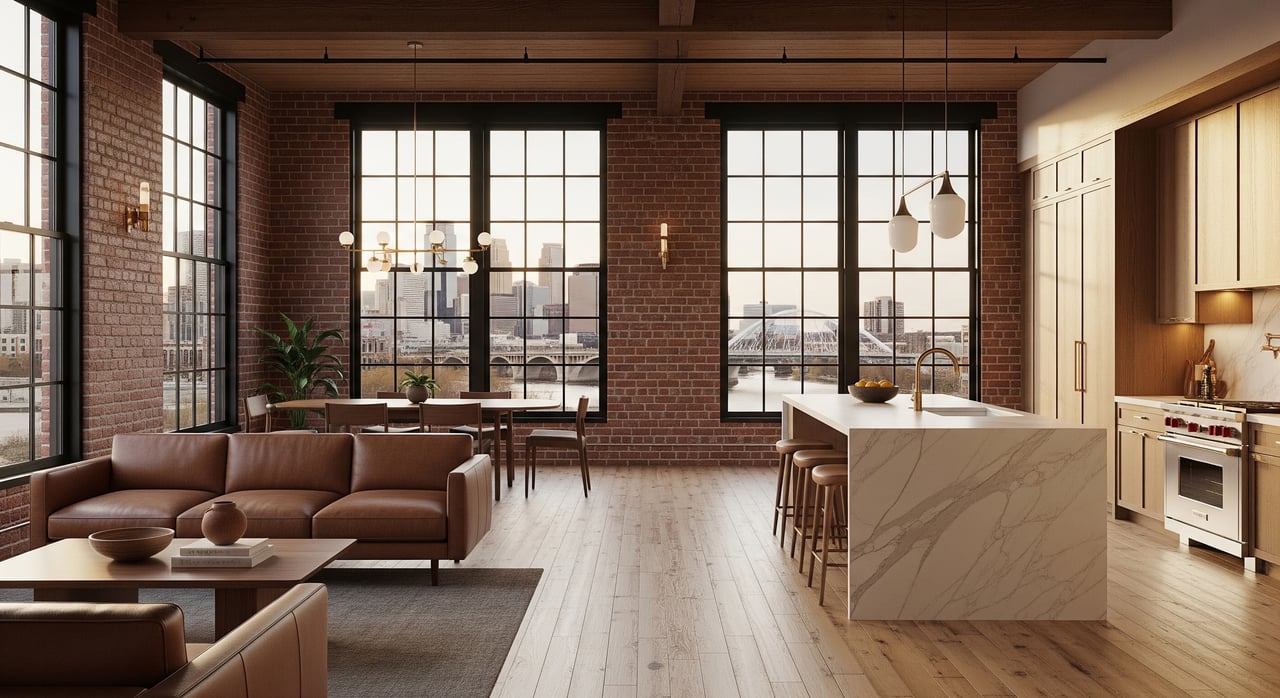
Love the look of exposed brick, tall ceilings, and sunlit warehouse windows? If you are drawn to design and a walkable city life, North Loop offers a rare blend of historic character and modern comfort. In this guide, you will learn how the neighborhood’s architecture, culture, and daily rhythm come together, plus what to check before you buy. Let’s dive in.
Why North Loop stands out
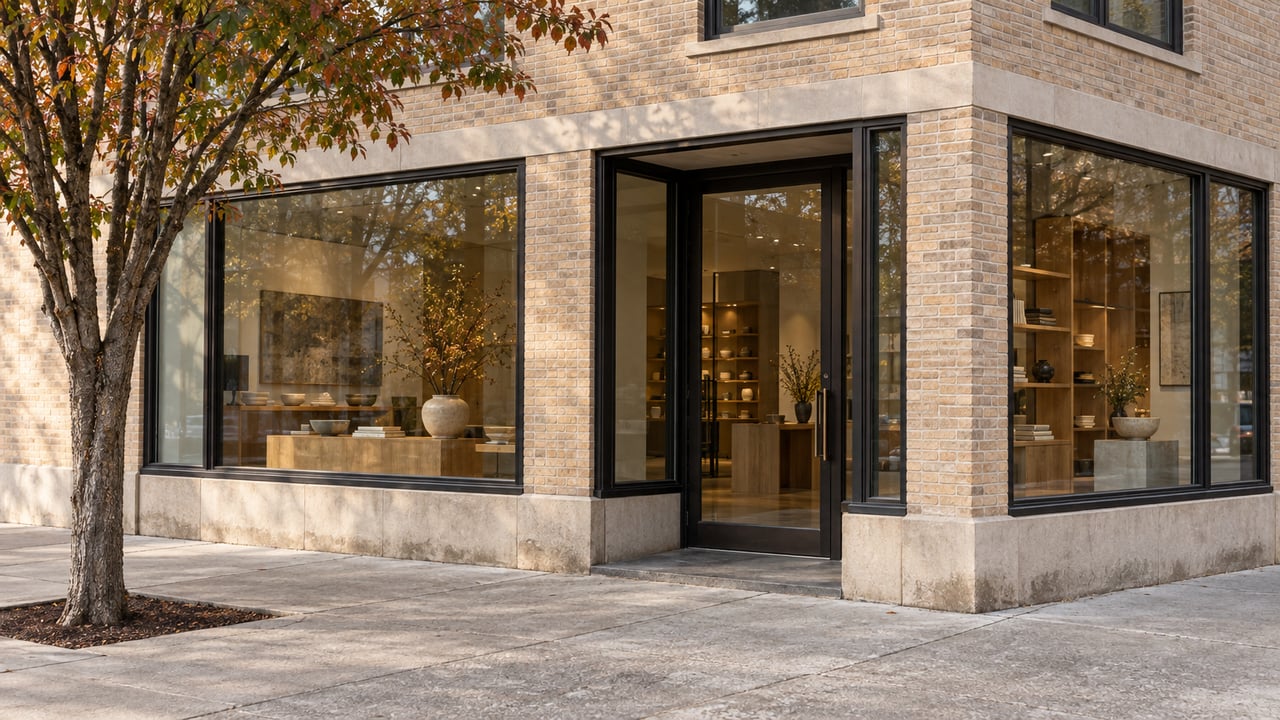
North Loop grew from a late 19th and early 20th century warehouse and rail district along the Mississippi River. Many brick and timber buildings still frame the streets, giving the area its Warehouse District identity. In recent decades, adaptive reuse has turned these structures into lofts, creative offices, and destination dining while keeping their industrial soul.
You live next to the downtown core and near the riverfront. That means easy access to cultural venues, stadium energy, and skyline views, with the Mill District and central business district a short walk away.
Loft architecture you’ll love
Historic conversions and new loft-style buildings define the housing mix. You will find open layouts, high ceilings, and materials with a story to tell.
- Exposed brick and original heavy timber or steel structure
- Oversized industrial windows that draw in light and city views
- Open plans with partial walls or glass partitions that keep sightlines
- Poured concrete or wide-plank floors, often with visible ductwork and piping
- Contemporary kitchens and baths integrated into the industrial shell
True lofts vs loft-style
- True lofts are homes created inside former industrial or commercial buildings that retain original elements like timber beams, steel-sash windows, and large bays.
- Loft-style condos are newer builds that echo the look with tall ceilings and open plans, plus up-to-date systems.
Lifestyle and amenities
Day-to-day life in North Loop feels urban and convenient. You can walk to chef-driven restaurants, coffee bars, boutiques, and creative studios. Galleries, design offices, and nearby downtown institutions add to the cultural mix.
You also have close access to riverfront recreation. Explore miles of river paths and bridges, including parks and overlooks managed by the Minneapolis Park and Recreation Board. The broader river corridor, guided by the Mississippi National River and Recreation Area, offers scenic routes for walking, running, and biking.
Getting around
You are near major transit nodes, including Target Field’s commuter rail and downtown bus and light-rail connections. Bike lanes and multi-use river trails make cycling a practical option. On-street parking varies by block, and many buildings offer deeded stalls or garage parking, often at a premium.
What to know before you buy
Condo buildings vary in age, systems, and financial structure. Review the association and building condition with care so you know what you are buying.
- Ownership and fees. Most lofts are condominiums with monthly HOA dues that cover common maintenance, insurance, and amenities. Fees vary based on building size and services.
- Building history. Conversions often date from the 1980s through the 2010s, with recent new construction offering modern systems and similar aesthetics.
- Technical performance. Ask about window upgrades, insulation, HVAC, and acoustic measures. These affect comfort and operating costs.
- Event and nightlife context. Proximity to stadiums or entertainment can mean episodic noise, so weigh your block location and building soundproofing.
Due diligence checklist
- Review condo declaration, bylaws, recent HOA minutes, and the reserve study.
- Confirm deeded parking and storage, including location and fees.
- Ask for records of major upgrades to roof, façades, windows, sprinklers, HVAC, plumbing, and electrical.
- Order a thorough inspection that covers envelope, windows, moisture, and mechanicals.
- Check property taxes and assessments using Hennepin County property records.
- Verify utility metering, what the HOA covers versus individual billing.
- Evaluate noise mitigation and your distance to event venues.
- Review rules for rentals or short-term rentals if income is part of your plan.
- Confirm square footage and ceiling heights, volume matters in lofts.
- If the building is historic or subject to preservation rules, consult the Minnesota State Historic Preservation Office about potential limits on exterior alterations.
- If you are near the river, review flood status using the FEMA Flood Map Service Center and confirm insurance needs.
Cost and value basics
Pricing often sits above the Minneapolis city median due to location, character, and amenities. HOA fees reflect building age and services. Resale value ties to authenticity, condition, and proximity to the riverfront and dining.
If you plan to finance, expect your lender to review the building’s financial strength, owner-occupancy ratio, and reserves. For buildings with historic designation or easements, ask about any special financing or insurance considerations.
Design tips for tall spaces
You can celebrate the industrial shell while improving comfort and function.
- Preserve brick and timber, then add contrast lighting to highlight texture.
- Use glass partitions or casework to define bedrooms or offices without losing light.
- Consider high-performance interior storm panels or upgraded glazing that keeps the original window rhythm.
- Add acoustic rugs and underlayments to reduce sound transfer.
- Right-size mechanicals for tall volumes to manage heating and cooling efficiently.
Is North Loop a fit for you?
Choose North Loop if you value history, design, and an easy urban routine. You get riverfront access, cultural energy, and a home that expresses character. If you want a yard or more separation from downtown buzz, another neighborhood may fit better. If the industrial aesthetic and city convenience speak to you, North Loop delivers.
Ready to tour the right buildings and compare options by light, layout, and sound? Connect with a local advisor who knows the micro-markets and the details behind each association. To start your curated search, reach out to Juan Rivera. Let’s Connect.
FAQs
What defines a North Loop loft?
- A North Loop loft is typically a condo created inside a former warehouse or industrial building, retaining features like exposed brick, heavy timber, and large windows; some newer buildings offer a similar loft-style look.
How do HOA fees work in Minneapolis loft buildings?
- Monthly dues vary by building size, age, and amenities, usually covering common-area maintenance, insurance, and shared utilities; review budgets, reserves, and what utilities are included.
Is flood insurance required near the Mississippi River in North Loop?
- Requirement depends on a property’s location relative to mapped flood zones; check the FEMA Flood Map Service Center and your lender’s guidance.
How is parking handled for North Loop condos?
- Many buildings offer deeded stalls or garage parking, sometimes for an added fee, and on-street parking varies by block, so confirm your stall location and terms.
Are there restrictions on renovating historic North Loop lofts?
- Some buildings have historic designation or preservation easements that limit exterior changes; consult the association documents and the Minnesota State Historic Preservation Office.
What noise should I expect near Target Field and nightlife?
- You may experience episodic event or evening noise depending on your block and building; ask about window upgrades and sound mitigation, and visit at different times of day.